
Best Pool Draining Tools to Buy in October 2026
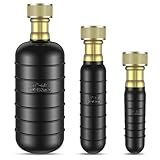
Fosenlion 3 Pcs Drain Bladder Kit, Drain Cleaning Bladder Fits 1" to 6" Pipes, Rubber Drain Bladder Unclogger for Bathroom Sinks, Showers, Swimming Pool Drains, Kitchen Sinks and Main Drains
- POWERFUL WATER PULSATION CLEARS STUBBORN CLOGS WITHOUT HARSH CHEMICALS.
- VERSATILE 3-IN-1 KIT FITS MULTIPLE DRAIN SIZES FOR ALL YOUR CLEANING NEEDS.
- EASY TO USE: COMPATIBLE WITH GARDEN HOSES-NO COSTLY PLUMBER NEEDED!


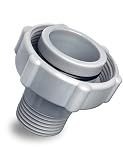
Pool Drain Fitting Connects fits for Coleman Pools, ID1.5-inch Connect To The Bottom Of The Pool and OD1.0-inch Connect To The Garden Pipe
-
EASY INSTALLATION: QUICKLY CONNECTS TO COLEMAN POOL FOR FAST DRAINAGE.
-
UNIVERSAL FIT: COMPATIBLE WITH ALL ABOVE GROUND COLEMAN POOL MODELS.
-
DURABLE DESIGN: BUILT TO LAST WITH RELIABLE CONNECTIONS FOR EFFICIENT USE.
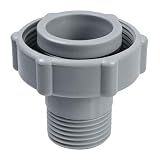
XJJ Swimming Pool Drain Fitting Connects Fit for Coleman Pools,ID1.5-inch Connect To The Bottom Of The Pool, OD1.0-inch.Internal Thread 3/4-inch Connect To The Garden Pipe
- FITS ALL ABOVE-GROUND COLEMAN POOLS: EASY, UNIVERSAL CONNECTION!
- HASSLE-FREE INSTALLATION: QUICKLY ATTACH HOSE AND ENJOY YOUR POOL!
- STURDY DESIGN: PREVENT LEAKS WITH A TIGHT, SECURE FIT EVERY TIME!
Drain King 501 Unclogs Bathroom Sinks, Showers, and Swimming Pool Drains, 1 to 2 Inch
-
ORIGINAL WATER-POWERED CLEANER: QUICK, HASSLE-FREE DRAIN UNCLOGGING!
-
CLEARS SINKS, SHOWERS, & POOL LINES WITH HIGH-QUALITY U.S. MATERIALS.
-
VERSATILE FIT FOR 1-2 INCH DRAINS, IDEAL FOR ANY HOUSEHOLD NEED!
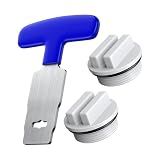
MUSCCCM Pool Plug Removal Tool with Handle SP1022C 1.5'' Pool Drain Plug Return Plug with O-Ring and for Most Hayward Pentair Waterway Pool Filters (3Pack)
- EASY INSTALLATION: REPLACE AND TIGHTEN PLUGS SWIFTLY WITH OUR TOOL.
- DURABLE & RUST-PROOF: PREMIUM MATERIALS ENSURE LONG-LASTING PERFORMANCE.
- UNIVERSAL COMPATIBILITY: WORKS WITH MAJOR BRANDS LIKE HAYWARD AND PENTAIR.
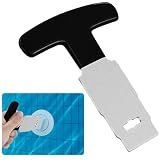
Feoang Pool Plug Removal Tool-Metal Eyeball Seat Removal Tool with Handle Grip Pool Spa Jet Removal Tool for Above Inground Pool Square Pool Drain Plug Removal Tool for Hayward SP1419A-SP1419E(Black)
-
DURABLE STAINLESS STEEL TOOL: STRONG AND LONG-LASTING FOR EFFORTLESS USE.
-
ERGONOMIC GRIP DESIGN: COMFORTABLE RUBBER HANDLE ENSURES EASY, DAMAGE-FREE HANDLING.
-
PERFECT COMPATIBILITY: WORKS SEAMLESSLY WITH VARIOUS HAYWARD JET FITTINGS.
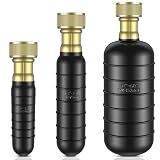
3-Pack Drain Bladder Kit, Water-Powered Rubber Drain Cleaning Bladder, Fits 1 to 6 Inch Pipes, Ideal for Clearing Bathroom Sinks, Showers, Swimming Pool Drains, Kitchen Sinks and Main Drains Clogs
-
ECO-FRIENDLY CLOG BUSTER: NO CHEMICALS, SAFE FOR PIPES & FAMILY.
-
VERSATILE 3-IN-1 BLADDER SET UNCLOGS MULTIPLE DRAIN SIZES EFFORTLESSLY.
-
EASY TO USE: CONNECT TO HOSES, NO TOOLS NEEDED, SAVES ON PLUMBER COSTS!
Draining an above-ground pool can be a straightforward process if done correctly. Here is some information on the best method for draining an above-ground pool:
- Prepare the equipment: Before starting, ensure you have the necessary supplies such as a pool pump, a pool hose, and a suitable drainage location. Ensure the drainage area can handle the amount of water being released.
- Turn off the pool equipment: Shut off the pool pump and any other equipment connected to the pool, like a heater or chlorinator.
- Connect the hose: Attach one end of the pool hose to the drain outlet of the pool pump. Make sure it is secure to avoid any leaks.
- Position the other end: Place the other end of the hose in the desired drainage location. Ensure the hose is long enough to reach the area without any kinks or bends, which may slow down the draining process.
- Start the pump: Switch on the pool pump and set it to the "drain" or "backwash" setting. This will enable the water to flow out of the pool and through the hose.
- Monitor the draining: Keep an eye on the pool as it drains. Avoid leaving the pump unattended to prevent any mishaps or potential damage.
- Manage the water flow: If you need to control the draining speed, adjust the pump's flow rate. You can do this by increasing or decreasing the number of open skimmer valves (if applicable). Decreasing the flow rate will slow down the drainage process, while increasing it will speed it up.
- Maintain safety: It's important to ensure that no one, especially children or pets, comes near the draining pool or hose. The area around the pool may become slippery, so exercise caution.
- Dispose of the water responsibly: Check local regulations regarding proper water disposal. You may be able to drain the pool directly into a sewer clean-out, a storm drain, or even a designated drainage area.
- Clean and store equipment: Once the pool is drained, turn off the pump and disconnect the hose. Clean and store the equipment properly for future use.
Remember, different types of pools may have specific instructions for draining, so it's always advisable to consult the manufacturer's guidelines or seek professional assistance if you are unsure.
How to drain an above-ground pool?
Draining an above-ground pool can be done by following these steps:
- Turn off the pool pump: Before draining the pool, it is important to turn off the pump to prevent it from running dry.
- Find the pool drain outlet: Look for the drain outlet, which is usually located on the pool's sidewall or at the bottom. It may be covered with a cap or plug.
- Attach a garden hose: Remove the cap/plug and attach a garden hose tightly to the drain outlet. Make sure the other end of the hose is placed in a suitable drainage area, such as a sewer drain, street gutter, or a designated drainage area in your yard.
- Open the valve: If your pool has a dedicated drain valve, open it fully to allow the water to flow out. Alternatively, if your pool does not have a dedicated valve, you may need to remove the skimmer basket and attach the hose directly to the skimmer pipe.
- Monitor the draining process: Keep an eye on the draining process to ensure there are no issues, such as blockages or leaks. It is also important to check local regulations regarding proper drainage.
- Pump residual water: After most of the pool's water has drained, you may need to use a pool pump or a small submersible pump to remove any remaining water.
- Clean the pool: Once the pool is empty, use a pool vacuum or a brush to remove any debris or sediment that may have collected at the bottom.
Note: Before draining the pool, consider whether the water can be used for other purposes, such as watering plants or lawns, to avoid wastage. Additionally, always follow local regulations and guidelines for proper pool drainage and disposal of pool water.
How can I safely drain my above-ground pool?
To safely drain your above-ground pool, follow these steps:
- Turn off the pool pump: Before starting the draining process, ensure that the pool pump is turned off. This will prevent any potential damage to the pump and allow the water to drain freely.
- Check your local regulations: Depending on your location, there may be specific regulations on how and where you can drain pool water. Contact your local municipal office or water authority to inquire about any guidelines you need to follow.
- Determine the draining method: There are two common methods for draining an above-ground pool: using a pool pump or a submersible pump. Pool pump method: If your pool's pump has a waste outlet function, you can use this to drain the water directly. Attach a suitable length of hose to the waste outlet and place the other end in an appropriate drainage area, such as a sewer cleanout or storm drain. Be cautious not to drain the water towards sensitive areas like natural water sources. Submersible pump method: In this method, you will need a submersible pump specifically designed for pool draining. Place the pump in the pool and connect a long hose to its outlet. Position the other end of the hose at an adequate draining location, away from any structures or other sensitive areas.
- Start draining: Once the pump and hose are properly set up, turn on the pump and allow the water to flow out. Monitor the draining process to ensure everything is functioning correctly.
- Manage the water discharge: If you're draining a large amount of water, it's important to think about where the water will be discharged. Avoid draining into natural water sources, storm drains, or property lines. If permitted, you can consider using the water for irrigation purposes or directing it to a suitable stormwater drainage system.
- Monitor water levels: While draining, keep an eye on the pool's water level to prevent the pump from running dry. If the water level drops too low, turn off the pump to avoid damage.
Remember, safety is crucial when draining your pool. Be cautious of electrical connections, follow any local guidelines, and ensure the water is discharged in a manner that complies with regulations and doesn't negatively impact the environment.
What precautions should I take when draining an above-ground pool?
When draining an above-ground pool, there are a few precautions you should take to ensure safety and prevent any damage to the pool or surrounding area. Here are some important tips to consider:
- Check local regulations: Before draining your pool, check with your local authorities or pool professional to ensure that you are following any specific rules or guidelines related to pool draining. Some areas may have restrictions on draining water to protect local water resources.
- Determine the drainage location: Decide on the best location to drain the water. Avoid areas with delicate landscaping, downhill slopes, or areas prone to flooding. Ensure that the water will not flow into neighboring properties or cause any damage.
- Prepare for the water flow: Make sure you have a suitable drainage system in place. The ideal option is to use a submersible pump or siphon hose to gradually drain the water. This will prevent any sudden or forceful flow that could erode the soil or cause flooding.
- Maintain pool water level: Monitor the water level during the draining process to prevent it from dropping too low or exposing the liner. If the water level becomes too low, it can cause the pool walls to collapse or lead to other structural damage.
- Prevent debris from entering the drainage system: Place a mesh or screen over the end of the drain or hose to prevent leaves, debris, or small animals from entering the drainage system. This will help prevent clogging or damage to the drain or pump.
- Do not drain completely: It is not recommended to drain the pool completely, especially for vinyl-lined pools, as it can lead to damage. Leave some water in the pool to maintain pressure and prevent the liner from shrinking or becoming misshaped. Consult the manufacturer's guidelines to determine the appropriate water level to maintain.
- Dispose of the water properly: Ensure that the drained water is properly disposed of. Avoid draining pool water into storm drains or areas that lead to natural water bodies. You may need to redirect the water to a proper drainage facility or consult local authorities for guidance on safe disposal methods.
- Securely store pool equipment: Before draining the pool, ensure that all pool equipment (such as ladders, handrails, and pumps) are removed and stored safely. This will protect them from damage during the draining process.
Following these precautions will help you safely and successfully drain an above-ground pool, minimizing the risk of damage and ensuring ecological responsibility.