
Best Squirrel Proof Bird Feeders in September 2026
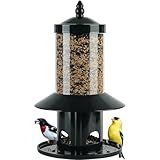
Squirrel Proof Bird Feeder - 360° Feeding Perch Tray for Outdoor Hanging Wild Bird Seeds, Dark Green.


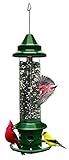
Squirrel Buster Plus Squirrel-proof Bird Feeder w/Cardinal Ring and 6 Feeding Ports, 5.1-pound Seed Capacity, Adjustable, Pole-mountable (POLE ADAPTOR SOLD SEPARATELY), Green
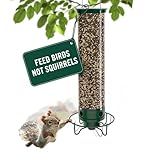
Droll Yankees Squirrel Proof Bird Feeder for Outdoors – Rechargeable Weight-Activated Rotating Perch, 5lb Seed Capacity, Metal Base, UV-Stabilized Seed Tube, Hanging Green Yankee Flipper, YF-M
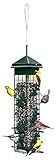
Squirrel Solution200 Squirrel-proof Bird Feeder w/6 Feeding Ports, 3.4-pound Seed Capacity, Free Seed Funnel
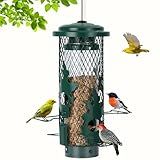
Gbekery Squirrel Proof Bird Feeder for Outdoors Hanging, Metal Mesh Bird Feeder for Outsides with Gravity Protection for Small Birds, Weatherproof and Durable, Green
Squirrel Proof Bird Feeder, Metal Bird Feeders for Outdoors Hanging, 3.6LB Large Seeds Capacity for Wild Birds, Finch, Cardinal, Blue Jay, Chickadee, Green
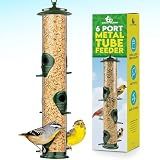
Bird Feeders for Outdoors (Green) Squirrel Proof Hanging Bird Feeder with Locking Lid & Adjustable Hanger, Chew-Proof, Weather Resistant 15 Inches 6 Port
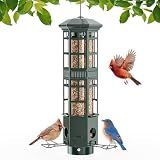
WLNYUGS Squirrel Proof Bird Feeder for Outdoors, Chew-Proof & Weather Resistant, 3 Port, Gravity Spring Hanging Metal Bird Feeder, 3LB Large Capacity, Attract Wild Birds
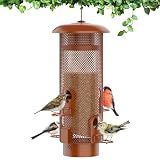
Metal Squirrel Proof Bird Feeder,Bird Feeders for Outdoors,Weight Activated Squirrel Proof Wild Bird Feeders with Finch Cardinal Chickadee,Large Capacity,Weatherproof and Durable,Reddish Brown
Ultimate Guide to Cage Bird Feeders in 2026 starts with a simple truth: the feeder you choose can change your bird’s health, your cleaning routine, and even your bird’s mood.
I’ve used enough cage feeders over the years to know that a “good enough” feeder usually becomes a daily annoyance. Seeds get flung everywhere, fresh foods spoil too fast, shy birds avoid awkward feeder placements, and suddenly a tiny accessory is causing big problems.
The good news? By 2026, cage bird feeders are smarter in design, easier to sanitize, and far better matched to different species and cage setups. If you want less waste, cleaner cages, safer feeding, and a bird that actually enjoys mealtime, you’re in the right place.
Why the Ultimate Guide to Cage Bird Feeders in 2026 Matters More Than Ever
Bird owners are paying closer attention to nutrition, hygiene, enrichment, and cage safety than they did a few years ago. That’s a good thing, because feeders are no longer just little cups clipped to bars. They’re part of your bird’s daily environment.
A poor feeder can lead to food contamination, territorial behavior, messy cages, and unnecessary stress. A well-designed one supports natural feeding habits, reduces spoilage, and makes your routine easier.
That balance matters whether you keep a canary, budgie, cockatiel, finch, conure, or another companion bird. Different birds eat differently, perch differently, and interact with feeders in very different ways.
What Makes a Great Cage Bird Feeder in 2026?
The best cage bird feeder does three jobs well: it keeps food clean, makes access easy, and holds up to daily use.
That sounds basic, but details matter. I’ve seen birds ignore a feeder just because the rim was too deep, the perch felt unstable, or the dish swung too much when they landed.
The core traits to look for
A great feeder should be:
- Securely mounted so it doesn’t wobble or pop loose
- Easy to remove and wash without a fight
- Sized for your bird species and portion needs
- Made from bird-safe materials
- Designed to reduce husk scatter and food waste
- Placed at a comfortable feeding height
- Resistant to tipping, cracking, and grime buildup
Meanwhile, you also want a feeder that matches your feeding style. Dry seed mixes, pellets, chopped vegetables, sprouts, and soft foods all behave differently in a dish.
Ultimate Guide to Cage Bird Feeders in 2026: What to Look For Before You Buy
If you’re comparing options, focus on these seven features first.
-
Material quality
Choose non-toxic, durable, easy-clean materials. Smooth stainless steel-style bowls and sturdy acrylic-style guards tend to be easier to sanitize than porous or heavily textured surfaces. -
Mounting system
A secure lock matters more than people think. Birds love to test cage accessories, and a weak clip can turn a feeder into a falling toy. -
Feeder depth and opening width
Too deep, and smaller birds struggle to reach food. Too shallow, and your bird may scatter everything out with one enthusiastic flick. -
Waste control design
Seed catchers, guard lips, and covered feeder styles can drastically cut mess. If you’re tired of husks all over the cage floor, this feature alone is worth prioritizing. -
Ease of cleaning
If a feeder is annoying to scrub, you’ll dread maintenance. Look for simple shapes with few tight corners or hidden creases where bacteria and damp food can build up. -
Compatibility with your cage bars
Not every feeder fits every cage. Always check bar spacing, door placement, feeder-door access, and whether the dish interferes with perches or toys. -
Food-specific use
Some feeders are better for pellets, others for seed, soft foods, or greens. If your bird eats a varied diet, you may need a multi-feeder setup rather than one all-purpose cup.
Types of Cage Bird Feeders: Which Style Is Best?
Not all feeders serve the same purpose. In real-world use, each style has strengths and trade-offs.
Cup feeders
These are the classic cage food bowls. They’re versatile, simple, and work well for pellets, seed mixes, and some chopped foods.
They’re best for birds that are comfortable leaning into a dish. However, they can get messy fast if your bird enjoys tossing food.
Hooded or covered feeders
These help reduce seed scatter and contamination. They’re especially useful for birds that fling husks or for cages placed in high-traffic rooms.
That said, some birds need a short adjustment period before trusting a more enclosed feeding station.
Gravity-style dispensers
These release dry food as the lower portion empties. They can reduce refill frequency, but they’re not ideal for moist foods and require careful hygiene checks.
If you’re comparing modern options, a broader smart bird feeders comparison can help you see how automation and portion control are evolving beyond standard cage feeders.
Tray feeders
Tray-style feeders work well for birds that like to forage, pick, and sort through food. They’re often a good match for offering greens, chopped vegetables, or enrichment feeding sessions.
If you’re shopping carefully, keeping an eye on bird feeder trays discounts can be a practical way to build a multi-dish setup without overspending.
Small-species feeders
Finches, budgies, and canaries often do better with narrower, shallower feeder designs. Oversized dishes can actually make feeding less comfortable and more wasteful.
A quick look at small bird feeder types can give you a better sense of proportion if you’re choosing for petite birds.
Benefits of Choosing the Right Cage Bird Feeder
A better feeder doesn’t just look neat. It improves everyday life for both you and your bird.
Cleaner feeding conditions
Food stays fresher when it isn’t constantly mixed with droppings, feathers, and cage debris. That means a more sanitary eating area and less risk from spoiled or contaminated feed.
Less waste
A feeder with the right lip, depth, or cover can significantly reduce seed spray. Over time, that means less food lost to the cage floor and less money wasted.
Better eating habits
Some birds eat more confidently when their feeder feels stable and easy to access. That’s especially important for younger birds, older birds, timid birds, or birds adjusting to a new home.
Easier daily maintenance
If you can remove, wash, and refill a feeder in seconds, you’re more likely to stay consistent. Consistency matters because birds thrive on routine.
More enrichment
Feeding isn’t just nutrition. It’s also behavior. A thoughtful feeder setup encourages natural pecking, sorting, climbing, and exploring.
Ultimate Guide to Cage Bird Feeders in 2026 for Different Bird Sizes and Temperaments
This is where hands-on experience really matters. The “best” feeder on paper may be wrong for your individual bird.
For small birds
Smaller birds usually do best with lightweight, shallow, easy-reach feeders. If the dish wall is too high or the perch is awkward, they may avoid it.
For medium birds
Cockatiels and similar-sized birds often benefit from feeders that are sturdy enough to handle more forceful landings. They also tend to appreciate enough bowl room to sort through food comfortably.
For messy eaters
Go for feeders with splash guards, hoods, or integrated seed catchers. These birds can turn a clean cage into a debris field in a few hours.
For nervous or rescue birds
Choose simple, open designs first. A bird that’s still building confidence may prefer a feeder that offers a clear view and easy escape route.
For highly active birds
Durability is non-negotiable. Active birds often chew edges, bounce on perches, and test attachment points.
Expert Recommendations: Pro Tips From Real Cage Setup Experience
You can save yourself a lot of trial and error with a few practical rules.
Pro tip: Use at least two feeding stations if your bird is territorial or if you keep more than one bird in the same enclosure. It reduces conflict and gives shy birds a safer option.
Here are the mistakes I see most often:
- Placing the feeder directly under a perch where droppings fall into food
- Using one feeder for every food type, which leads to soggy leftovers and contamination
- Waiting too long to clean soft-food dishes
- Choosing oversized feeders that encourage overfilling and stale food
- Ignoring your bird’s actual behavior in favor of a “prettier” design
💡 Did you know: many birds prefer a feeder placed where they can eat while feeling partially secure, not fully exposed in the busiest part of the cage. Sometimes moving a dish a few inches improves feeding behavior immediately.
Another underrated tip: test a new feeder for three things in the first 48 hours-stability, comfort, and waste pattern. If food is flying, the bowl rocks, or your bird hesitates, adjust quickly.
And don’t overlook hygiene. A solid bird feeder cleaning guide is worth following if you want to prevent bacterial buildup and keep feeding areas truly safe.
How to Set Up Cage Bird Feeders the Right Way
A good feeder can underperform if it’s placed badly.
Start by mounting the feeder at a height your bird naturally prefers. For many species, that means a comfortable mid-to-upper cage position, but not so high that access becomes awkward.
Next, keep food dishes away from:
- Perches directly overhead
- Bathing areas
- High-dropping zones
- Crowded toy clusters
- Drafty cage sides
Then separate food types if possible:
- One dish for pellets or seed
- One for fresh vegetables or chop
- One for treats or training rewards
- Optional tray area for foraging enrichment
This setup improves cleanliness and helps you monitor what your bird is actually eating.
Ultimate Guide to Cage Bird Feeders in 2026: How to Get Started
If you feel overwhelmed, keep it simple. You do not need a complicated feeding station on day one.
Follow this action plan:
-
Assess your bird’s size and eating style
Is your bird gentle, messy, shy, aggressive, or highly active? -
Measure your cage and bar spacing
This prevents buying a feeder that doesn’t fit securely. -
Choose one primary feeder and one backup
Start with a reliable daily bowl plus a second dish for fresh food. -
Watch behavior for a week
Look for hesitation, tossing, contamination, or territorial guarding. -
Upgrade based on what your bird shows you
Your bird’s habits are better guidance than product descriptions.
If presentation matters to you too, browsing colorful bird feeder ideas can help you create a cage setup that looks great without sacrificing function.
Common Buying Mistakes to Avoid
A few wrong assumptions lead to most feeder regrets.
Assuming bigger is better
It usually isn’t. Bigger dishes can make portions harder to manage and let food sit too long.
Choosing style over sanitation
A feeder that looks attractive but traps residue is a long-term headache. Cleanability should always rank near the top.
Ignoring your bird’s comfort
If your bird has to stretch awkwardly, cling sideways, or brace against swinging plastic just to eat, the feeder is wrong for the job.
Using outdoor feeder logic indoors
Indoor cage feeders have very different priorities than backyard feeders. You need safe mounting, easy disinfection, food visibility, and species-specific accessibility.
Frequently Asked Questions
what is the best type of cage bird feeder for messy birds?
For messy birds, hooded feeders, covered cups, and seed-catching tray systems usually work best. They help contain husks and reduce how much food gets tossed onto the cage floor.
how often should i clean a cage bird feeder?
Dry food feeders should be checked daily and washed regularly, while dishes used for fresh foods should be cleaned much more often. If soft food sits too long, bacteria can build up quickly, so prompt cleaning is essential.
are automatic cage bird feeders worth it?
They can be worth it if you want more consistent portioning for dry food and less frequent refilling. Still, they don’t replace daily observation, and they’re not ideal for every bird or for moist foods.
where should i place a feeder inside a bird cage?
Place the feeder where your bird can reach it comfortably without being directly under a perch. The goal is easy access, lower contamination risk, and a spot where your bird feels secure enough to eat calmly.
can i use the same feeder for pellets, seeds, and fresh foods?
You can, but it’s usually better not to. Separate feeders keep foods cleaner, prevent soggy leftovers, and make it easier to track your bird’s diet and preferences.