
Best Patio Heaters for Efficient Gas Usage to Buy in September 2026
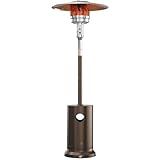
EAST OAK 55,000 BTU Propane Patio Heater with Round Table & Stainless Steel Burner, Outdoor Heater with Wheels, Ideal For Large Patios, Gardens, Outdoor Events, and Commercial Use, Bronze
-
EFFICIENT 55,000 BTU HEATING: ENJOY POWERFUL WARMTH FOR GATHERINGS.
-
FAST 5-SECOND IGNITION: ONE-TOUCH START FOR QUICK, HASSLE-FREE HEATING.
-
DOUBLE SAFETY PROTECTION: SAFE OPERATION WITH AUTOMATIC SHUT-OFF FEATURES.


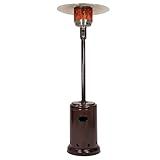
Amazon Basics 46,000 BTU Outdoor Propane Patio Heater with Wheels, Commercial & Residential, Havana Bronze, with Water Tank, 32.1 x 32.1 x 91.3 inches (LxWxH)
- COZY OUTDOOR WARMTH FOR CAFES, RESTAURANTS, AND HOME PATIOS.
- EASY ONE-TOUCH IGNITION AND WHEELS FOR HASSLE-FREE MOBILITY.
- POWERFUL 46,000 BTUS WITH ADJUSTABLE HEAT FOR UP TO 18 FEET.
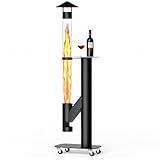
DoCred Patio Pellet Heater, 71" H Wood Pellet Heaters Including Thickened Base with Wheels, Smokeless Glass Fire Tube Heater Outdoor Metal Fire Pit for Patio, Backyard, Camping, Porch & Garden
-
SMOKELESS, DURABLE DESIGN: ENJOY HEAT WITH LOW EMISSIONS & LASTING QUALITY!
-
THOUGHTFUL FEATURES: SAFE CHIMNEY CAP, HEAVY BASE, AND EASY MOBILITY!
-
CREATE AMBIANCE: ENJOY FLICKERING FLAMES FOR WARMTH AND ROMANTIC GATHERINGS!
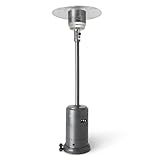
Amazon Basics 46,000 BTU Outdoor Propane Patio Heater with Wheels, Commercial & Residential, Slate Gray, with Water Tank, 32.1 x 32.1 x 91.3 inches (LxWxH)
- COZY OUTDOOR COMFORT: ENJOY WARM GATHERINGS AT CAFES AND PATIOS.
- EFFORTLESS SETUP: QUICK IGNITION AND EASY MOBILITY WITH BUILT-IN WHEELS.
- POWERFUL HEAT OUTPUT: 46,000 BTUS HEAT UP 9-FOOT RADIUS, ADJUSTABLE WARMTH.
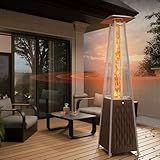
EAST OAK Pyramid Patio Heater, 48,000 BTU Outdoor Patio Heater, Quartz Glass Tube Propane Heater for Commercial & Residential, Triple Protection System, With Wheels, 2024 Upgrade, Bronze
- POWERFUL 48,000 BTU HEAT - ADJUSTABLE FOR YOUR IDEAL OUTDOOR COMFORT.
- PREMIUM QUALITY BUILD - RUST-RESISTANT ALUMINUM ENSURES LASTING DURABILITY.
- UNIQUE EMBOSSED DESIGN - STUNNING CENTERPIECE FOR ANY OUTDOOR GATHERING.
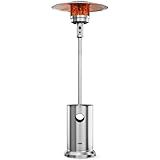
EAST OAK Anti-rust 50,000 BTU Patio Heater for Outdoor Use With Double-Layer Stainless Steel Burner, Round Table Design and Wheels, Outdoor Patio Heater for Home and Commercial, Stainless Steel
-
50,000 BTU POWER: HEATS UP TO 20 FEET, PERFECT FOR OUTDOOR SPACES.
-
DURABLE STAINLESS STEEL: SCRATCH AND WEAR-RESISTANT FOR LASTING USE.
-
SAFETY FEATURES: TIP-OVER AND FLAME-OUT PROTECTION FOR PEACE OF MIND.
A patio heater is a commonly used outdoor heating appliance that enables people to extend their time spent outside, especially during cooler seasons. One of the key factors to consider when using a patio heater is the amount of gas it consumes. The average rate at which a patio heater uses gas can vary depending on several factors:
- BTU Rating: BTU, or British Thermal Unit, is a measurement used to quantify heat energy. Patio heaters come with different BTU ratings, ranging from around 30,000 to 50,000 BTUs. Higher BTU ratings generally indicate more heat output and thus result in increased gas consumption.
- Heat Settings: Most patio heaters offer adjustable heat settings, allowing users to choose their desired level of warmth. The gas consumption will vary accordingly; higher heat settings will consume more gas, while lower settings will use less.
- Burner Efficiency: The burner within the patio heater plays a crucial role in determining gas consumption. A more efficient burner will maximize heat output per unit of gas consumed, resulting in lower gas usage.
- Ambient Temperature: The surrounding ambient temperature also affects the amount of gas used by a patio heater. If the outdoor temperature is already warm, the heater may consume less gas to maintain the desired heat level. In colder temperatures, the heater may need to work harder and consume more gas to counteract the chilly environment.
- Duration of Use: The duration for which a patio heater is used directly impacts gas consumption. The longer the heater is operated, the more gas it will use.
It is important to note that gas consumption can vary significantly depending on the factors mentioned above. On average, a 40,000 BTU patio heater will consume around 1.5 to 2.5 pounds of propane gas per hour. This estimate may differ based on individual circumstances.
Lastly, it is always advisable to refer to the manufacturer's guidelines and specifications for accurate information on gas consumption specific to your patio heater model.
Are there any tips or tricks to minimize gas usage while still enjoying the warmth of a patio heater?
Yes, there are a few tips and tricks to minimize gas usage while enjoying the warmth of a patio heater:
- Choose an efficient patio heater: Look for patio heaters with energy-saving features such as adjustable flame heights, low heat settings, and built-in timers that can help optimize gas usage.
- Use a patio heater with a reflector: A reflector or heat shield placed behind or above the patio heater can prevent the heat from escaping and help direct it towards the desired area, reducing the need for higher gas settings.
- Position the patio heater strategically: Place the patio heater in an area that is sheltered from strong winds. Wind can blow away the heat, causing you to increase the gas output to compensate.
- Create a windbreak: If your patio heater is exposed to gusty winds, consider adding a physical windbreak like a privacy screen or placing it near a wall or fence. This will help protect the heat and reduce the gas consumption.
- Insulate the patio area: Insulating the patio area can help retain the heat generated by the patio heater. Close any gaps or cracks in windows or doors, use rugs or thick curtains to cover drafts, and provide blankets or patio enclosures to keep the warmth inside.
- Optimize usage time: Only use the patio heater when necessary and turn it off when you don't need it. Additionally, consider heating a smaller area rather than trying to heat the entire patio, as this will require less gas.
- Dress appropriately: Wear warm clothing or use blankets to stay cozy while using the patio heater. By dressing appropriately, you can comfortably bear a lower gas setting, reducing overall usage.
- Schedule usage wisely: If possible, plan your patio heater usage during warmer hours of the day or when the outdoor temperature is milder. This way, you can reduce the need for higher gas settings.
Remember, while these tips can help minimize gas usage, it's crucial to prioritize safety when using any type of patio heater.
How much gas, on average, does a patio heater use per hour?
The average gas patio heater uses approximately 1 to 2 pounds of gas per hour.
Is it possible to calculate the cost of gas usage for a patio heater per hour or season?
Yes, it is possible to calculate the cost of gas usage for a patio heater per hour or season. To do so, you would need to gather the following information:
- Gas Consumption Rate: This information is typically provided by the manufacturer and is measured in British Thermal Units per hour (BTU/h) or cubic feet per hour (ft³/h).
- Gas Cost per Unit: The cost of gas per unit can vary depending on your location and the supplier. This information is usually provided on your gas bill and is measured in terms of cost per unit (such as dollars per cubic foot or dollars per therm).
Once you have this information, you can use the following formulas:
- To calculate the cost of gas usage per hour: Cost per hour = Gas Consumption Rate (BTU/h or ft³/h) x Gas Cost per Unit (cost/BTU or cost/ft³)
- To calculate the cost of gas usage per season: Cost per season = Cost per hour x Operating hours per day x Days in the season
Keep in mind that these calculations are estimates and actual costs may vary based on factors like gas prices, heater efficiency, and individual usage patterns. Additionally, it is important to consider safety precautions and manufacturer's guidelines when operating a patio heater.
Does the age or condition of a patio heater impact gas usage?
Yes, the age or condition of a patio heater can definitely impact gas usage. Older or poorly maintained patio heaters may be less fuel efficient and therefore consume more gas. This could be due to issues such as leaks, clogged burners, or damaged valves, which can lead to a less optimal combustion process. In contrast, a newer and well-maintained patio heater is likely to be more energy efficient and consume gas more efficiently. Regular maintenance, inspection, and necessary repairs can help ensure optimal gas usage and reduce any wastage.
Does the design or material of a patio heater affect the rate of gas usage?
Yes, the design and material of a patio heater can affect the rate of gas usage. Patio heaters typically use propane or natural gas as fuel, and the rate of gas consumption is influenced by how efficiently the heater is designed and how well it retains heat.
The design of the burner and reflector in the patio heater can impact gas usage. A well-designed burner can provide a more efficient and controlled combustion process, resulting in more heat produced per unit of gas. The reflector, which directs the heat output, can also influence gas usage by effectively distributing the heat to a desired area.
The material of the patio heater can also affect gas consumption. Some materials, such as stainless steel, are better at retaining and radiating heat, thereby reducing the need for continuous gas supply. A patio heater made with high-quality and well-insulated materials can help to minimize heat loss and optimize gas usage.
Ultimately, a patio heater with an efficient design and high-quality materials can help to maximize heat output while minimizing gas consumption.