Best Gas Patio Heaters to Buy in September 2026
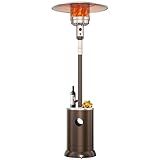
DIAMONDFORGE 50,000 BTU Patio Heater - Propane Patio Heater with Double-Layer Stainless Steel Burner, Round Table Design Space Heater, Outdoor Heaters with Wheels Used for Garden and Patio, Brown
-
50,000 BTU HEAT OUTPUT: WARM UP TO 20 FEET, PERFECT FOR OUTDOOR GATHERINGS!
-
DURABLE STAINLESS STEEL: CORROSION-RESISTANT DESIGN ENSURES LASTING PERFORMANCE.
-
STABLE & SAFE: WINDPROOF BASE, TIP-OVER PROTECTION, AND ETL CERTIFIED FOR SAFETY!


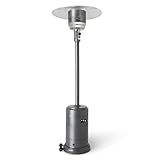
Amazon Basics 46,000 BTU Outdoor Propane Patio Heater with Wheels, Commercial & Residential, Slate Gray, with Water Tank, 32.1 x 32.1 x 91.3 inches (LxWxH)
- COZY OUTDOOR EXPERIENCE: ENJOY WARM OUTDOOR GATHERINGS WITH EASE.
- EFFORTLESS OPERATION: QUICK IGNITION AND WHEELS FOR EASY MANEUVERING.
- POWERFUL HEATING: 46,000 BTUS COVER A 9-FOOT RADIUS COMFORTABLY.
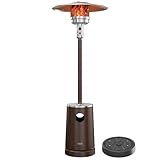
EAST OAK 50,000 BTU Patio Heater with Sand Box, Table Design, Double-Layer Stainless Steel Burner, Wheels, Triple Protection System, Outdoor Heater for Home and Residential, Pinecone
- 50,000 BTU POWER: HEATS UP TO 20 FEET, IDEAL FOR OUTDOOR GATHERINGS.
- DURABLE DOUBLE-LAYER DESIGN: STRONGER 304 STAINLESS STEEL FOR LONGEVITY.
- SAFETY FEATURES: TILT PROTECTION AND FLAME-OUT SYSTEM ENSURE SAFETY.
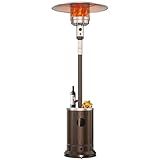
DIAMONDFORGE 50,000 BTU Patio Heater - Propane Patio Heater with Double-Layer Stainless Steel Burner, Space Heater, Outdoor Heaters with Wheels Used for Garden, Patio and Residential, Brown
- 50,000 BTU HEAT: WARM UP TO 20 FEET WITH POWERFUL OUTDOOR HEATING.
- DURABLE STAINLESS STEEL: CORROSION-RESISTANT DESIGN FOR LASTING USE.
- STABLE & SAFE: WINDPROOF, TIP-OVER PROTECTION, AND ETL CERTIFIED SAFETY.
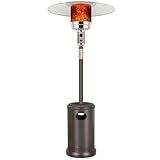
Hykolity 50,000 BTU Propane Patio Heater, Stainless Steel Burner with Wheels, Table Design, Triple Protection System Outdoor Heaters for Garden, Patio, Commercial and Residential, Brown
-
FAST IGNITION & ADJUSTABLE HEAT: ONE-PRESS START FOR INSTANT WARMTH!
-
PORTABLE CONVENIENCE: EASY TO MOVE, PERFECT FOR ANY OUTDOOR GATHERING.
-
SAFETY FIRST DESIGN: RELIABLE HEATING WITH ENHANCED SAFETY FEATURES.
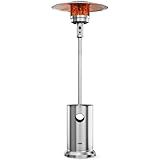
EAST OAK Anti-rust 50,000 BTU Patio Heater for Outdoor Use With Double-Layer Stainless Steel Burner, Round Table Design and Wheels, Outdoor Patio Heater for Home and Commercial, Stainless Steel
- 50,000 BTU HEAT RADIUS ENSURES WARMTH ACROSS A 20-FOOT AREA.
- DURABLE WATERPROOF STAINLESS STEEL RESISTS SCRATCHES AND WEAR.
- SAFETY FEATURES PROVIDE PEACE OF MIND FOR WORRY-FREE OUTDOOR USE.
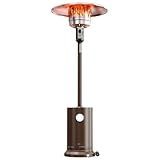
EAST OAK One-Hand Ignition Patio Heater with Enhanced Burner Head, 50,000 BTU Propane Outdoor Heater, One-Person Install, Round Table Design for Porch, Garden, Balcony, Backyard
-
ONE-HAND START: IGNITE QUICKLY WITH SIMPLE PUSH-AND-TWIST ACTION!
-
HIFIRE BURNER: EXPERIENCE HEAT 90°F HOTTER THAN STANDARD MODELS!
-
EFFICIENT DESIGN: SAME HEAT, 10% LESS GAS-SAVE COSTS & ENERGY!
A gas patio heater is a popular outdoor heating appliance used to provide warmth and comfort during chilly evenings and cool seasons. One common question people have is, "How long does a gas patio heater last?"
The lifespan of a gas patio heater primarily depends on several factors such as the quality of the product, frequency of use, maintenance, and the type of fuel used. On average, a gas patio heater can last between 5 to 10 years.
The quality of the gas patio heater plays a significant role in its lifespan. High-quality models made from durable materials like stainless steel or cast aluminum tend to last longer than cheaper, low-quality alternatives. These materials are more resistant to rust and corrosion, which can significantly affect the heater's longevity.
The frequency of use is another important factor to consider. Gas patio heaters designed for occasional use or occasional gatherings may last longer than those used daily or extensively throughout the year. Continuous use places more strain on the heater's components, potentially leading to earlier wear and tear.
Proper maintenance is crucial to maximize the lifespan of a gas patio heater. Regular cleaning and ensuring all moving parts are lubricated can help prevent debris buildup and reduce friction. Additionally, inspecting gas lines, valves, and burners for any damage or leaks is essential for safe and efficient operation. Neglecting maintenance can shorten the lifespan of the heater.
The type of fuel used also affects a gas patio heater's lifespan. Most gas patio heaters use either propane or natural gas. Propane heaters generally have a shorter lifespan due to the nature of the fuel and the associated higher combustion temperatures. On the other hand, natural gas heaters typically have a longer lifespan as natural gas burns cleaner and generates less heat.
While a gas patio heater can last anywhere between 5 to 10 years, it's worth noting that certain parts may need replacement or repair throughout its lifetime. Components like igniters, thermocouples, and regulators are prone to wear and tear and may require replacement depending on usage and maintenance.
In conclusion, the lifespan of a gas patio heater can vary depending on factors such as quality, usage, maintenance, and fuel type. With proper care and regular maintenance, a gas patio heater can provide warmth and enjoyment for many years before needing a replacement or repair.
Are there any maintenance tasks that can help prolong the lifespan of a gas patio heater?
Yes, there are several maintenance tasks that can help prolong the lifespan of a gas patio heater. Here are some of them:
- Regularly clean the heater: Clean the external surfaces of the heater regularly to remove dust, dirt, and debris. Use a soft cloth or brush to wipe away any buildup. Be sure to turn off and let the heater cool down completely before cleaning.
- Check for gas leaks: Periodically inspect the gas connections and hoses for any signs of leaks. Apply a soap and water solution to the connections and look for bubbles. If you notice a leak, tighten the connection or replace faulty parts.
- Clean the burner and pilot assembly: Remove the burner and pilot assembly and clean them using a wire brush or compressed air to remove any debris or corrosion. Make sure the burners are clear and free from blockages.
- Inspect and clean the gas lines: Check the gas lines for any obstructions, such as spider webs or dirt, that might impede the flow of gas. Gently blow compressed air through the lines to clear any blockages.
- Check the ignition system: Inspect and clean the ignition system components, including the spark igniter or pilot assembly. Ensure they are clean and functioning properly for efficient ignition.
- Lubricate moving parts: Apply a light lubricant to the moving parts, such as hinges and valves, to prevent rust and ensure smooth operation.
- Store properly during the off-season: If you live in an area with harsh winters or if you won't be using the patio heater for an extended period, store it indoors or in a protective cover to prevent damage from the elements.
Remember to always consult the manufacturer's instructions and guidelines for specific maintenance requirements and recommendations for your gas patio heater.
Is it safe to leave a gas patio heater unattended?
No, it is not safe to leave a gas patio heater unattended. Gas patio heaters require constant supervision to prevent accidents and ensure their safe operation. Leaving a gas patio heater unattended may pose fire hazards, as well as increase the risk of carbon monoxide poisoning if there is a gas leak or improper ventilation. It is crucial to always follow the manufacturer's instructions and guidelines for safe usage and never leave a gas patio heater running without someone present to monitor it.
Is it possible to convert a gas patio heater to use a different type of fuel?
It is generally not recommended to convert a gas patio heater to use a different type of fuel without proper guidance and expertise. Gas patio heaters are specifically designed to operate with a certain type of fuel (such as propane or natural gas) and altering the fuel type can be dangerous and potentially result in accidents, fires, or even explosions.
Converting a gas patio heater to a different fuel typically requires modifying various components such as the burner, valve system, and gas orifice. Additionally, different fuels may have different combustion characteristics, burn rates, and heat outputs, which can cause damage to the heater and pose a safety risk.
If you are considering converting your gas patio heater to use a different type of fuel, it is strongly advised to consult the manufacturer's guidelines or contact a professional technician who is familiar with the specific model and experienced in such modifications. They can provide accurate information, assess the feasibility and safety considerations, and carry out any necessary conversions if appropriate.