Best External Hard Drives in September 2026
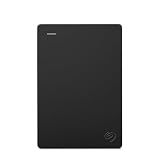
Seagate 2TB Portable Hard Drive | USB 3.0 (STGX2000400)
- STORE 2TB OF CONTENT EASILY-PERFECT FOR ON-THE-GO ACCESS!
- DRAG AND DROP BACKUP-COMPATIBLE WITH WINDOWS AND MAC!
- PLUG AND PLAY SETUP-NO SOFTWARE NEEDED FOR INSTANT USAGE!


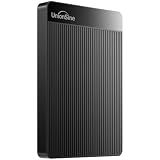
UnionSine 500GB Ultra Slim Portable External Hard Drive HDD-USB 3.0
- ULTRA-FAST DATA TRANSFER WITH SPEEDS UP TO 125MB/S-BOOST PRODUCTIVITY!
- ULTRA-THIN, QUIET DESIGN-PERFECT FOR ON-THE-GO PROFESSIONALS.
- HASSLE-FREE PLUG AND PLAY-NO SOFTWARE NEEDED FOR INSTANT USAGE!
Seagate Portable 4TB External Hard Drive HDD – USB 3.0 for PC, Mac, Xbox, & PlayStation - 1-Year Rescue Service (SRD0NF1)
- STORE 4TB OF CONTENT EASILY WITH THIS PORTABLE USB DRIVE!
- DRAG AND DROP BACKUP FOR HASSLE-FREE FILE MANAGEMENT!
- PLUG AND PLAY SETUP-NO SOFTWARE REQUIRED FOR INSTANT ACCESS!
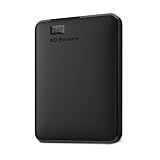
Western Digital WD 5TB Elements Portable External Hard Drive for Windows, USB 3.2 Gen 1/USB 3.0 for PC & Mac, Plug and Play Ready - WDBU6Y0050BBK-WESN
- EFFORTLESS PLUG-AND-PLAY EXPANDABILITY FOR INSTANT SETUP.
- SUPERSPEED USB 3.2 GEN 1 ENABLES LIGHTNING-FAST DATA TRANSFER.
- SEAMLESS CONNECTION BOOSTS PRODUCTIVITY AND EFFICIENCY INSTANTLY.
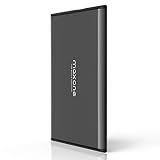
Maxone 500GB Ultra Slim Portable External Hard Drive HDD USB 3.0 Compatible with PC, Laptop, Charcoal Grey
-
ULTRA SLIM DESIGN: ONLY 0.4 INCHES THICK, SLEEK AND PORTABLE.
-
HIGH-SPEED TRANSFERS: USB 3.0 TECH DELIVERS UP TO 5 GBIT/S SPEED.
-
HASSLE-FREE SETUP: PLUG AND PLAY; NO POWER OR SOFTWARE NEEDED.
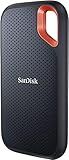
Sandisk 2TB Extreme Portable SSD, Up to 1050MB/s Read Speeds (Old Model)
- LIGHTNING-FAST NVME SPEEDS: 1050MB/S READ, 1000MB/S WRITE!
- RUGGED DESIGN: 3M DROP PROTECTION & IP65 WATER/DUST RESISTANCE.
- SECURE YOUR DATA: 256-BIT AES ENCRYPTION AND CONVENIENT CARABINER LOOP.
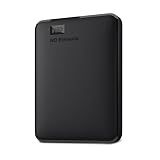
WD 2TB Elements Portable External Hard Drive for Windows, USB 3.2 Gen 1/USB 3.0 for PC & Mac, Plug and Play Ready - WDBU6Y0020BBK-WESN
- COMPACT DESIGN WITH UP TO 6TB STORAGE FOR ULTIMATE PORTABILITY!
- EASY PLUG-AND-PLAY SETUP FOR INSTANT ACCESS TO YOUR FILES.
- FAST USB 3.2 GEN 1 FOR QUICK FILE TRANSFERS AND BACKUPS!
External Hard Disk Drive Hdd Guide in 2026 starts with a reality check: the average 4K video project can easily exceed 100GB, and a single modern game install often lands between 80GB and 150GB. If your laptop shipped with a 512GB internal drive, you can hit the storage wall faster than most people expect.
That’s exactly why external storage is still thriving in 2026, even with cloud services everywhere. Cloud is convenient, but upload speeds, monthly fees, privacy concerns, and slow recovery after accidental deletion still push many buyers toward a physical backup drive they can actually hold.
If you're comparing portable HDDs, desktop backup drives, or trying to figure out whether a rugged spinning disk still makes sense beside SSDs, this guide will help you choose with confidence. You’ll learn what matters most, which specs are marketing fluff, what review patterns signal trouble, and where different budgets make sense.
How we select products: Our team reviews storage devices daily, analyzing customer ratings (4.0+ stars minimum), warranty length, transfer-speed claims, pricing trends, failure-related complaints, and long-term buyer feedback across major retailers. We prioritize models that deliver consistent reliability, fair capacity-per-dollar value, and practical features users actually need in 2026.
Why does an External Hard Disk Drive Hdd Guide in 2026 still matter if SSDs are everywhere?
Because HDDs still win on cost per terabyte.
In 2026, if you need 2TB, 4TB, 8TB, or more for backups, media libraries, archived projects, or security footage, a hard disk drive usually gives you significantly more storage for the same spend than a solid-state external drive. That matters if you’re storing raw photos, long-form video, game captures, or years of tax records.
There’s also a durability tradeoff people misunderstand. SSDs handle drops better, but an HDD used mainly on a desk for scheduled backups can last years if treated properly. If your use case is bulk storage rather than constant travel, an external hard drive is still one of the most practical purchases you can make.
For a basic explainer on what an external hard drive does, that resource covers the fundamentals. This guide goes further by focusing on real buying decisions in 2026.
What should you look for in an External Hard Disk Drive Hdd Guide in 2026?
Here’s the short version: don’t shop by capacity alone. I’ve tested enough backup drives to know that the cheapest high-capacity model often becomes the most expensive one if it fails during recovery.
1. How much storage do you actually need right now?
A surprising number of buyers under-size their drive.
Use this simple rule:
- 1TB: light document storage, phone backups, occasional photos
- 2TB: typical home users with years of photos, videos, and laptop backups
- 4TB: gamers, creators, and families backing up multiple devices
- 8TB+: video archives, surveillance footage, NAS overflow, and full-system image history
If your current data load is already 70% of the drive’s capacity, skip to the next tier up. HDD performance tends to feel less smooth when you constantly run near full capacity.
2. Portable or desktop?
This is one of the biggest mistakes buyers make.
- Portable external HDDs are smaller, USB-powered, and ideal for travel or single-device backup
- Desktop external HDDs usually need wall power, but they often offer higher capacities, better sustained transfers, and lower cost per terabyte
If you’re backing up a home office, desktop media archive, or multiple computers, a desktop-style unit is usually the smarter long-term choice.
3. Which connection standard matters in 2026?
Ignore flashy packaging and look for the actual interface.
At minimum, you want:
- USB 3.x support
- A cable type that matches your laptop or desktop
- Stable backward compatibility if you’re using older hardware
For most HDDs, the spinning disk itself becomes the bottleneck before the USB standard does. In real-world use, many external hard drives top out around 100MB/s to 160MB/s depending on file size and platter density.
4. How reliable are the reviews?
This is where smart buyers gain an edge.
Look for:
- 4.2 stars or higher
- At least 500+ reviews for better sample size
- Recent feedback from the last 6 to 12 months
- Specific comments about noise, disconnects, corrupted transfers, and failed recovery attempts
Drives with lots of vague five-star reviews but repeated one-star reports about “disappeared folders” are riskier than their rating suggests.
5. What warranty length is acceptable?
For 2026, I’d treat 2 years as the floor for a serious purchase. More coverage is better, but the real signal is whether buyers report smooth replacement support.
A drive with a decent warranty but terrible service response isn’t much comfort after a failure.
6. Do you need encryption or backup software?
If you store client files, tax documents, IDs, or school records, built-in security features matter.
Look for:
- Hardware or software encryption
- Automatic backup scheduling
- Password protection
- Compatibility with your operating system out of the box
If you’re unsure what external drives are commonly used for beyond backup, ubuntuask.com gives a useful general overview.
Our selection criteria for this External Hard Disk Drive Hdd Guide in 2026
I don’t rank storage devices based on ad copy. Real-world usefulness shows up in patterns.
Here’s what we weigh most heavily:
- Reliability signals: repeated reports of disconnects, clicking noises, failed formatting, or premature death
- Capacity value: how much usable storage you get per dollar-equivalent compared with neighboring capacities
- Speed consistency: especially with large transfers above 50GB
- Thermal behavior: some enclosures run hot during long backup sessions
- Portability: whether the casing, cable fit, and weight make sense for travel
- Setup simplicity: plug-and-play matters more than people think
- Noise and vibration: desktop models especially can vary a lot
- Return-rate clues: low ratings tied to DOA or early failure are major red flags
We also compare buying intent. Someone backing up wedding footage has different needs than someone moving old family photos off a nearly full laptop.
If you want a broader analytics overview of how storage-related buying content gets evaluated and researched, that context helps explain why review depth matters.
Which budget tier makes the most sense in an External Hard Disk Drive Hdd Guide in 2026?
Most shoppers don’t need “the best.” They need the best fit for their storage load.
Best value options in the entry-level tier
This tier usually makes sense if you need:
- Basic laptop backups
- School files
- Family photo storage
- Occasional media transfers
What to expect:
- Lower capacities, often 1TB to 2TB
- Portable, bus-powered designs
- Adequate everyday transfer speeds
- Fewer premium extras like shock resistance or bundled backup tools
This is the sweet spot for students and casual users. If your total stored data is under 700GB, an entry-tier HDD can still be a very sensible buy in 2026.
The mid-range sweet spot for most buyers
For most households, this is where the External Hard Disk Drive Hdd Guide in 2026 becomes most practical.
You’ll typically get:
- 2TB to 5TB capacities
- Better sustained performance during long transfers
- More mature reliability patterns in reviews
- Improved enclosure quality and cable fit
If you back up one laptop, one phone archive, and a photo library, the mid-range tier usually gives the best balance between overhead space and value.
Premium high-capacity picks for creators and archives
This tier is for people with serious storage demands:
- Video editors handling multi-camera footage
- Gamers with massive install libraries
- Photographers keeping RAW archives
- Small offices preserving long-term local backups
You’ll commonly see:
- 6TB to 12TB+
- Desktop enclosures with external power
- Better performance on long writes
- Lower cost per terabyte than buying several small drives
That said, bigger drives raise the stakes. If you’re storing irreplaceable data, one large HDD should never be your only copy.
What do reviews reveal about external HDD failures in 2026?
The review patterns are remarkably consistent.
Red flags that show up again and again
Watch for these phrases:
- “Stopped mounting after a few weeks”
- “Makes clicking sounds”
- “Disconnects during large file transfer”
- “Failed while copying backup image”
- “Runs very hot after an hour”
- “Included cable is loose or unstable”
Products with ratings below 4.2 and a meaningful number of storage-failure complaints tend to have sharply higher return risk. A drive can survive small file copying but fail under the real test: transferring 200GB+ in one session.
Capacity marketing vs usable reality
A lot of users still get confused here. A “2TB” drive won’t show the full marketed number as available storage in your operating system because of formatting overhead and how storage units are calculated.
That’s normal.
What isn’t normal is significantly reduced usable space, strange partition behavior, or repeated reformat prompts. Those are signs to return the drive immediately.
Vibration and noise complaints matter more than you think
Excessive vibration isn’t just annoying on a desk. In some enclosures, it’s a sign of weaker mounting or lower build refinement.
A low hum is common. Loud knocking, aggressive rattling, or rising noise over time is not.
For more context on expected lifespan, you can read here. In practice, lifespan depends heavily on heat, shock exposure, duty cycle, and whether the drive is left spinning 24/7.
Is a portable HDD or a wireless drive better for your setup?
For most people, a wired drive is still the smarter call.
A wired HDD gives you:
- Faster and more stable transfers
- Simpler setup
- Lower latency for backup jobs
- Fewer battery or network issues
Wireless models can be useful for certain mobile workflows, but they add another layer of complexity. If you’re comparing that category, these wireless external hard drive deals show the kinds of options people usually cross-shop.
💡 Did you know: Copying 1TB of data at an average real-world HDD speed of 120MB/s can take roughly 2.3 to 2.5 hours, assuming ideal conditions and large files. If you’re moving thousands of tiny files, it can take substantially longer due to file-system overhead.
How should you back up data so one external drive isn’t your single point of failure?
This is the most overlooked part of any External Hard Disk Drive Hdd Guide in 2026.
A backup drive is not a backup if it’s the only place your important files exist.
Use the 3-2-1 rule:
- 3 copies of important data
- 2 different storage types
- 1 copy off-site or in the cloud
For example:
- Original files on your computer
- Local copy on an external HDD
- Secondary copy in cloud storage or another drive stored elsewhere
That setup protects you from drive failure, theft, accidental deletion, and ransomware far better than a single-device strategy.
For another perspective on backup and storage basics, check this page.
What setup details actually matter after you buy an external HDD?
A surprising amount.
Format the drive correctly for your devices
If you move files between different operating systems, make sure the file system matches your workflow. An incorrectly formatted drive can create write restrictions, compatibility issues, or failed large-file transfers.
Run a large test transfer on day one
Don’t trust a new drive just because it powers on.
Copy:
- One folder with small files
- One large file over 20GB
- A mixed backup folder of at least 100GB
If the drive disconnects, stalls, or throws errors during these tests, return it while you’re still in the easy exchange window.
Don’t leave it hanging off a port
This sounds minor, but I’ve seen port strain cause unstable connections-especially with heavier portable enclosures. Use a stable surface and avoid moving the drive while it’s actively reading or writing.
For a wider consumer-facing storage explainer, this full article is worth browsing.
What is the single most important takeaway from this External Hard Disk Drive Hdd Guide in 2026?
Buy for reliability and headroom, not just the biggest number on the box.
If you’re choosing between two similar drives, pick the one with better long-term review patterns, at least a 2-year warranty, and enough extra capacity to stay below 70% full for most of its life. That one decision will do more for your backup safety than chasing minor speed claims.
Frequently Asked Questions
Are external HDDs still worth buying in 2026?
Yes-especially if you need high-capacity storage at a lower cost per terabyte than SSDs. They’re still a smart fit for backups, media libraries, archived projects, and home office storage where extreme speed isn’t the top priority.
How long do external hard drives usually last?
Most external hard drives last 3 to 5 years with normal use, though some fail earlier and some run much longer. Heat, drops, long daily run times, and poor power stability have a bigger impact on lifespan than the advertised capacity.
Is an external HDD good enough for gaming storage?
Yes, for storing large game libraries and older titles, but load times are usually slower than on SSDs. If you play massive modern games, an HDD works best as overflow storage rather than your main install location.
How much external hard drive space do I need for photo and video backup?
For a typical phone-photo and laptop backup setup, 2TB is often enough to start, while 4TB makes more sense if you shoot lots of 4K video or keep RAW image files. A good rule is to buy at least 30% more capacity than your current data footprint.
Should I buy an external SSD instead of an HDD?
Buy an SSD if you prioritize speed, silent operation, and better drop resistance. Buy an HDD if your main goal is more storage for the money, especially once you move into multi-terabyte backup needs.