Best Pool Chemical Restrictions to Buy in October 2026
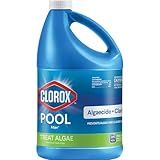
Clorox® Pool&Spa™ Swimming Pool Algaecide and Clarifier, Prevents and Treats Pool Algae, Clears Water, 128 Fl Oz (Pack of 1)
- ELIMINATE ALGAE FAST: EFFECTIVELY TREATS ALL TYPES OF POOL ALGAE INSTANTLY.
- LONG-LASTING PROTECTION: KEEP YOUR POOL CRYSTAL CLEAR WITH ONGOING DEFENSE.
- VERSATILE & EASY: WORKS IN ALL POOLS; NON-FOAMING FOR HASSLE-FREE ENJOYMENT.


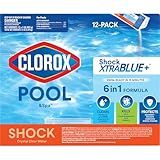
Clorox® Pool&Spa™ Shock XTRABLUE® Plus, Kills Bacteria & Algae in Swimming Pools, Swim-Ready in 15 Minutes, (12-Pack), Granular
- 6-IN-1 ACTION: KILLS BACTERIA & ALGAE FOR CRYSTAL-CLEAR POOLS.
- SWIM-READY IN 15 MINS: QUICK-DISSOLVING FOR FAST AND SAFE SWIMMING.
- UNIVERSAL COMPATIBILITY: SAFE FOR ALL POOL SURFACES-ALWAYS WORRY-FREE!
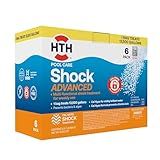
HTH 52036R, Pool Care Shock Advanced, 6 Pack
- FAST-ACTING 4-IN-1 FORMULA CLEARS WATER AND KILLS BACTERIA FAST.
- COMPATIBLE WITH ALL POOL TYPES; PERFECT FOR HASSLE-FREE MAINTENANCE.
- ACHIEVE SPARKLING CLARITY WITHOUT THE RISK OF CHLORINE LOCK.
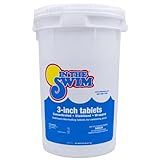
In The Swim 3 Inch Stabilized Chlorine Tablets - 50 Pounds
-
CLEANER, SAFER WATER: REMOVE BACTERIA & ALGAE FOR CRYSTAL-CLEAR POOLS.
-
LONG-LASTING EFFECT: NON-PERISHABLE TABLETS ENSURE ONGOING PROTECTION.
-
UV RESISTANT: SUN-STABILIZED TO MAINTAIN EFFECTIVENESS ALL SEASON.
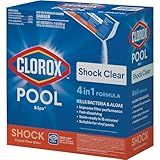
Clorox® Pool&Spa™ Shock Clear, for Crystal Clear Swimming Pool Water, Swim-ready in 15 minutes, Suitable for vinyl pools (6-Pack)
-
FAST ACTION: SWIM READY IN JUST 15 MINUTES-TREAT & DIVE IN!
-
VERSATILE & SAFE: WORKS ON ALL POOL SURFACES-VINYL, PLASTER, TILE.
-
EXPERT SUPPORT: USE CLOROX POOL APP FOR TAILORED POOL CARE TIPS!
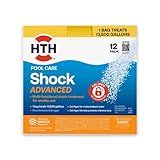
HTH 52037R, Pool Care Shock Advanced, 12 Pack
- QUICK 4-IN-1 FORMULA: KILL BACTERIA, REDUCE ODORS, RESTORE CLARITY FAST!
- WORKS IN 24 HOURS: SOLVE 90% OF POOL PROBLEMS FOR CRYSTAL-CLEAR WATER.
- CYA-FREE SANITIZER: PREVENT CHLORINE LOCK WITH OUR CAL HYPO FORMULA!
Yes, there are restrictions on pool chemicals for above-ground pools. It is important to follow these restrictions for the safety and well-being of individuals using the pool.
One major restriction is the use of chlorine or other sanitizing agents. These chemicals are required to keep the pool water clean and free from harmful bacteria. However, it is essential to use the correct amount of sanitizer and not exceed the recommended levels. Over-chlorination can lead to skin and eye irritations, respiratory issues, and can even be toxic if ingested.
Another restriction is the use of algaecides. While algaecides are commonly used to prevent and control algae growth in pools, it is necessary to choose the appropriate product specifically designed for above-ground pools. Some algaecides may contain copper, which can cause staining on the pool surfaces and may be harmful to swimmers if used in excessive amounts.
Additionally, the use of pH adjusters, such as acid or soda ash, should also follow recommended guidelines. Maintaining the proper pH level is crucial for swimmer comfort and to prevent damage to the pool equipment. Excessive amounts of pH adjusters can cause skin and eye irritation and may corrode the pool structure and equipment.
It is important to read and follow the instructions provided by the manufacturer of the pool chemicals. These instructions usually include information on safe handling, proper storage, and recommended dosage levels. It is also recommended to regularly test the pool water using appropriate test kits to ensure the chemical levels are within the recommended ranges.
In summary, there are restrictions on pool chemicals for above-ground pools to ensure the safety and well-being of pool users. Following the guidelines provided by the manufacturer and regularly monitoring and maintaining proper chemical levels will help to create a safe and enjoyable swimming environment.
What is the recommended pool chemical regimen for above-ground pools?
The recommended pool chemical regimen for above-ground pools typically includes the following steps:
- Testing the Water: Regularly test the pool water using test strips or a liquid testing kit to monitor the pH level, chlorine levels, alkalinity, and calcium hardness. This helps determine the chemical adjustments needed.
- Balancing pH Level: The ideal pH level for a pool ranges between 7.4 and 7.6. Use pH increaser or pH reducer to maintain proper pH levels. High pH may cause cloudiness, while low pH can cause discomfort to swimmers and damage pool equipment.
- Chlorine Sanitization: Chlorine is crucial for maintaining proper sanitization and killing algae and bacteria in the pool. Use chlorine tablets or granules to keep a recommended level of 1-3 parts per million (ppm). Shocking the pool with a higher dose of chlorine is also necessary occasionally to eliminate contaminants.
- Alkalinity Adjustment: Alkalinity helps stabilize the pH level. If the alkalinity is too low, it can cause fluctuations in pH. Use alkalinity increaser if the alkalinity is below the desired range of 80-120 ppm.
- Calcium Hardness Adjustment: Calcium hardness prevents water from becoming corrosive or scaling. If the calcium hardness is too low, it can lead to equipment damage. Use a calcium hardness increaser if it falls below the recommended range of 150-250 ppm.
- Algaecide Treatment: To prevent algae growth, routinely add algaecide to the pool water. This helps inhibit the growth of algae and keeps the water clear and clean.
- Routine Maintenance: Regularly clean the pool by skimming debris, vacuuming the pool floor, and emptying the skimmer and pump baskets. Also, backwash or clean the pool filter regularly to maintain proper filtration.
Remember to carefully read and follow the instructions on all pool chemical products and consult with a pool professional if needed.
What is the process of pool chemical startup for above-ground pools?
The process of pool chemical startup for above-ground pools typically involves several steps. Here is a general overview of the process:
- Filling the pool: Start by filling the above-ground pool with fresh water. Ensure that the water level is appropriate to begin the chemical treatment.
- Balancing the pH level: Test the pool water using a pH test kit or strips. The ideal pH range for pool water is usually between 7.2 and 7.6. If the pH is too low (acidic), you can use a pH increaser. If the pH is too high (alkaline), a pH decreaser should be used to bring it to the optimal range.
- Adjusting alkalinity: Test the total alkalinity (TA) of the pool water. The recommended range for TA is usually between 80 and 120 parts per million (ppm). If the TA is low, an alkalinity increaser can be used, while an alkalinity reducer is necessary if the TA is high.
- Sanitizing the pool: Add a sanitizer, typically chlorine or bromine, to kill bacteria and control algae growth. The most common form of chlorine used is stabilized chlorine tablets or granules. Follow the manufacturer's instructions for proper dosage and add the appropriate amount of sanitizer to the pool.
- Shocking the pool: Shocking the pool refers to adding a high dose of chlorine to eliminate contaminants and organic matter. This is usually done on a weekly basis or after heavy pool usage. Choose a pool shock product and follow the instructions on the package for the correct dosage based on your pool size.
- Adding algaecide: Algaecide is an additional preventative measure to control and prevent the growth of algae in the pool. Choose an algaecide suitable for above-ground pools and add the recommended amount based on the package instructions.
- Maintaining regular maintenance: Once the initial startup chemicals have been added, it is important to maintain regular pool maintenance. This includes regularly testing the water for pH and sanitizer levels, adding additional chemicals as needed, and cleaning and circulating the pool water.
Remember to always carefully read and follow the instructions provided by the chemical manufacturers for each specific product you are using. Additionally, consult the pool manufacturer's guidelines for any specific instructions related to your above-ground pool model.
What is the importance of water circulation when using pool chemicals in above-ground pools?
Water circulation is crucial when using pool chemicals in above-ground pools for several reasons:
- Distribution of chemicals: Proper water circulation ensures that the pool chemicals are effectively distributed throughout the entire pool. It helps to evenly disperse the chemicals, preventing concentration variations in different parts of the pool. This is essential for maintaining balanced and consistent water chemistry.
- Chemical efficacy: Without adequate circulation, the pool chemicals may not reach all areas of the pool, and some parts may receive a lower dosage than required. This can lead to ineffective treatment, allowing algae, bacteria, and other contaminants to thrive. Insufficient circulation may also result in the buildup of debris, dirt, and oils that can negatively impact water quality.
- Chemical balance: Regular water circulation helps in achieving proper chemical balance by preventing the formation of stagnant areas or dead spots in the pool. Stagnant water can often have imbalanced chemical levels and inadequate sanitizer distribution, leading to problems like algae growth, cloudy water, and unpleasant odors.
- Filtration efficiency: Water circulation facilitates the filtration process in the pool. As the water moves around, it passes through the pool filter, removing debris, particles, and other impurities. This helps to maintain clear, clean, and healthy water. Good circulation also prevents filter clogging and reduces the strain on the equipment.
- Mixing and dilution: When adding chemicals such as chlorine or pH adjusters, proper water circulation helps in effectively mixing and diluting the chemicals. This prevents localized chemical imbalances and potential damage to pool surfaces or equipment due to concentrated chemicals.
- Prevention of chemical buildup: Adequate circulation prevents the accumulation of chemicals in one area of the pool, which can lead to staining or damage to the pool liner or walls. It promotes even distribution and better interaction between chemicals and the pool water, reducing the risk of chemical residues clinging to surfaces.
In summary, water circulation is essential when using pool chemicals in above-ground pools to ensure proper chemical distribution, maintain water balance, enhance filtration, prevent chemical buildup, and ultimately achieve clean, clear, and safe swimming water.