
Best Above-Ground Pool Shapes to Buy in September 2026
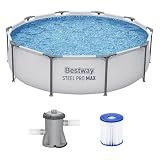
Bestway Steel Pro MAX 10' x 30" Above Ground Pool, Round Metal Frame Outdoor Swimming Pool Set with Filter Pump & Type I Cartridge, Gray
- CREATE LASTING SUMMER FUN WITH 1,236-GALLON BESTWAY POOL!
- DURABLE STEEL FRAME RESISTS CORROSION FOR LONG-LASTING STABILITY.
- EASY SETUP WITH NO TOOLS NEEDED-JUST ENJOY YOUR POOL DAY!


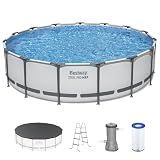
Bestway Steel Pro MAX 15' x 42" Above Ground Pool, Round Metal Frame Outdoor Swimming Pool Set with Filter Pump, Ladder, and Cover, Gray
- CREATE UNFORGETTABLE SUMMER MEMORIES WITH OUR SPACIOUS 15 FT POOL!
- DURABLE, CORROSION-RESISTANT STEEL FRAME ENSURES LONG-LASTING USE!
- EFFORTLESS SETUP WITH CLICKCONNECT-NO TOOLS NEEDED FOR EASY STORAGE!
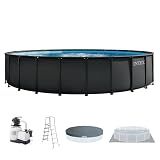
INTEX Ultra XTR 24 ft x 52 in Above Ground Pool Set, Round Swimming Pool with Steel Frame, 2100 GPH Sand Filter Pump, Ladder, Cover, & Ground Cloth
-
SPACIOUS DESIGN: ENJOY 24FT X 52IN SIZE-PERFECT FOR FAMILY FUN!
-
DURABLE LINER: 3-PLY TEAR-RESISTANT CONSTRUCTION WITH 2-YEAR WARRANTY.
-
EASY SETUP: QUICK ASSEMBLY WITH NO TOOLS NEEDED-ENJOY IN MINUTES!
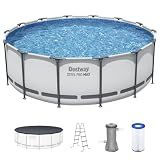
Bestway Steel Pro MAX 14' x 48" Above Ground Pool, Round Metal Frame Outdoor Swimming Pool Set with Filter Pump, Ladder, and Cover, Gray
- CREATE SUMMER MEMORIES WITH A SPACIOUS 14 FT. ABOVE GROUND POOL!
- DURABLE, CORROSION-RESISTANT FRAME ENSURES LONG-LASTING ENJOYMENT.
- QUICK AND EASY SETUP; INCLUDES ALL ESSENTIALS FOR HASSLE-FREE FUN!
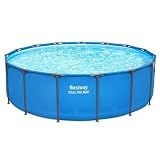
Bestway Steel Pro MAX 15’ x 48" Above Ground Pool, Round Metal Frame Outdoor Swimming Pool for Backyard, Blue, POOL ONLY
- CREATE UNFORGETTABLE SUMMER MEMORIES WITH A 15 FT FUN POOL!
- DURABLE STEEL FRAME ENSURES LONG-LASTING STABILITY AND CORROSION RESISTANCE.
- EASY SETUP WITH CLICKCONNECT SYSTEM-NO TOOLS REQUIRED FOR QUICK ASSEMBLY!
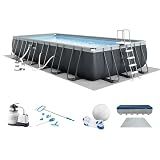
INTEX Ultra XTR 24 ft x 12 ft 52 in Above Ground Pool Set, Rectangular Swimming Pool with Sand Pump, Saltwater System, Maintenance Kit, & Volleyball Game
-
SPACIOUS FAMILY FUN: ENJOY 8,403 GALLONS OF SUMMER FUN, PERFECT FOR GATHERINGS!
-
DURABLE AND RELIABLE: SUPER-TOUGH 3-PLY LINER WITH 2-YEAR WARRANTY ENSURES LONGEVITY.
-
EASY SETUP: HASSLE-FREE ASSEMBLY WITH EASY LOCK SYSTEM-NO TOOLS REQUIRED!
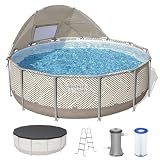
Bestway Steel Pro MAX 13' x 42" Above Ground Pool, Round Metal Frame Outdoor Swimming Pool Set with Canopy, Filter Pump, Ladder, and Cover, Taupe
- CREATE UNFORGETTABLE SUMMER MEMORIES WITH THE SPACIOUS 13 FT. POOL.
- DURABLE STEEL FRAME ENSURES LONG-LASTING STABILITY FOR ENDLESS FUN.
- EFFORTLESS SETUP WITH QUICK-CLICK CONNECTORS-NO TOOLS NEEDED!
Yes, there are different shapes of above-ground pools available on the market. These pool shapes can vary based on personal preference and the space available in your yard. Some common shapes include round, oval, rectangular, and square. Round pools are among the most popular and offer a classic look. They are often easier to install and require less maintenance. Oval pools, on the other hand, are suitable for narrower yards and offer a larger swimming area. Rectangular and square pools tend to mimic the shape of traditional in-ground pools and are popular for their modern and sleek appearance. Ultimately, the shape of an above-ground pool depends on individual taste, available space, and budget.
What is the maximum user capacity of an above-ground pool?
The maximum user capacity of an above-ground pool can vary depending on its size and design. However, as a general guideline, it is recommended to have no more than 1 person per 15 square feet (1.4 square meters) of pool surface area. For example, if an above-ground pool has a surface area of 450 square feet (41.8 square meters), the maximum user capacity would be around 30 people. It's important to note that this is a rough estimate and additional factors such as pool depth, safety regulations, and personal comfort should also be considered when determining the appropriate user capacity.
How to prevent leaks in an above-ground pool?
To prevent leaks in an above-ground pool, you can follow these steps:
- Regularly inspect the pool: Conduct routine inspections of the pool to identify any potential leaks early on. Look for signs such as water loss, damp areas around the pool, or constantly running pool equipment.
- Clean the pool regularly: Keep the pool clean and free from debris. Leaves, twigs, and other objects can damage the pool's surface or cause tears in the liner, leading to leaks.
- Protect the pool liner: Use a pool cover when the pool is not in use to prevent damage to the liner from sunlight, debris, or extreme weather conditions.
- Be cautious when using pool equipment: Avoid running lawn equipment near the pool area, as rocks or sharp objects propelled by lawnmowers or trimmers can cause punctures in the pool wall or liner.
- Check and maintain water chemistry: Properly balance the pool's water chemistry to prevent corrosion or deterioration of the pool's components, which could lead to leaks. Regularly test and adjust the pH, alkalinity, and sanitizer levels in the water.
- Monitor water level: Keep an eye on the water level in your pool. If you notice excessive water loss, investigate and repair any leaks promptly to prevent further damage.
- Inspect and maintain the pool's equipment: Regularly check the pool's filtration system, pumps, and hoses for any signs of leaks or damage. Address any issues promptly to avoid further problems.
- Fix leaks immediately: If you identify a leak, no matter how small, repair it promptly. Ignoring leaks can lead to more significant damage and even costly repairs.
- Consider using a pool leak sealer: If your pool continues to experience small, hard-to-detect leaks, you can try using a pool leak sealer product. These sealers can be poured directly into the pool water and may help seal minor leaks temporarily.
- Call a professional: If you are unable to locate or fix the source of a leak, it is advisable to seek assistance from a professional pool technician who can pinpoint the problem and provide suitable repair solutions.
Remember, regular maintenance and prompt repairs are crucial in preventing and minimizing leaks in above-ground pools.
What is the optimal filtering duration for an above-ground pool?
The optimal filtering duration for an above-ground pool can vary depending on factors such as pool size, usage frequency, and water quality. However, a general guideline is to run the pool filter for approximately 8 to 12 hours per day. This duration allows for thorough circulation and filtration of the pool water. It is recommended to evenly distribute the filtering time throughout the day, such as running the pool filter for 4 hours in the morning and 4 hours in the evening. Adjustments may be required based on individual pool conditions, so monitoring the water clarity and cleanliness regularly is essential to determine the ideal filtering duration for your specific above-ground pool.
How to increase the water temperature in an above-ground pool?
There are a few different methods you can use to increase the water temperature in an above-ground pool:
- Solar Covers or Blankets: These covers are designed to trap heat from the sun and transfer it to the water, effectively increasing the temperature. They work by allowing sunlight to penetrate the cover and then capturing the heat, preventing it from escaping. Solar covers are inexpensive and easy to use, and they can raise the water temperature by several degrees.
- Solar Rings or Sun Discs: Similar to solar covers, solar rings or sun discs are floating devices that absorb sunlight and transfer the heat to the water. They are usually made of a flexible material and come in various sizes that can be combined to cover the surface of the pool. These can also increase the water temperature by a few degrees.
- Pool Heater: Installing a pool heater is a more expensive but highly effective option for increasing the water temperature. There are different types of heaters available, such as gas, electric, or heat pumps. Gas heaters heat the water quickly but can be costly to operate, while electric heaters are more energy-efficient but take longer to warm up the water. Heat pumps are the most energy-efficient option and work by extracting heat from the air and transferring it to the pool water.
- Pool Cover: Using a regular pool cover when the pool is not in use can help retain heat. This prevents heat loss due to evaporation, wind, and nighttime temperature drops. By keeping the cover on when the pool is not being used, you can maintain a higher water temperature.
- Pool Insulation: Adding insulation around the pool can reduce heat loss, making it easier to maintain higher water temperatures. This can include using insulation boards, solar blankets, or insulating pool liners.
Remember to take safety precautions and closely follow any manufacturer's instructions when using heating devices or covers in your above-ground pool.
How to protect an above-ground pool from damage?
There are several ways to protect an above-ground pool from damage. Here are some measures you can take:
- Properly position the pool: Make sure you select a level area of your yard to install the pool. This will prevent strain on the structure and help maintain its integrity.
- Use a ground cloth: Lay a protective ground cloth or tarp underneath the pool before setting it up. This will create a barrier between the pool and the ground, preventing damage from sharp objects or debris.
- Regular maintenance: Keep the pool clean and well-maintained. Regularly remove leaves, debris, and insects from the surface to prevent clogging. This will also help maintain the water quality and prevent potential damage.
- Install a pool cover: When the pool is not in use, cover it with a durable pool cover. This will protect the pool from dirt, leaves, and other debris, as well as limit UV exposure that can damage the pool walls.
- Avoid overloading: Be mindful of the weight capacity of your pool. Avoid overloading it with too many people or heavy objects, as this can put excessive stress on the pool walls and structure.
- Inspect and repair promptly: Regularly inspect the pool for any signs of damage, such as leaks, cracks, or rust. If you notice any issues, repair them promptly to prevent further damage.
- Winterize the pool: If you live in an area with freezing temperatures, winterize your above-ground pool properly. This involves draining the water, removing the pump and filter, and covering the pool for protection during the colder months.
By following these steps, you can help protect your above-ground pool from damage and extend its lifespan.