
Best MySQL Books to Buy in September 2026
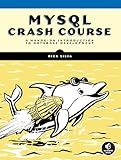
MySQL Crash Course: A Hands-on Introduction to Database Development


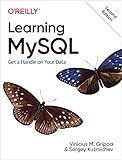
Learning MySQL: Get a Handle on Your Data

MySQL
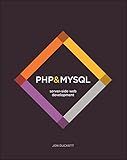
PHP & MySQL: Server-side Web Development
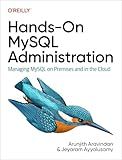
Hands-On MySQL Administration: Managing MySQL on Premises and in the Cloud
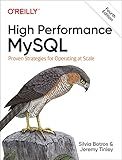
High Performance MySQL: Proven Strategies for Operating at Scale
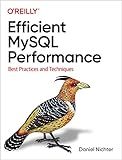
Efficient MySQL Performance: Best Practices and Techniques
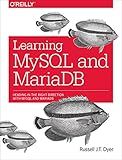
Learning MySQL and MariaDB: Heading in the Right Direction with MySQL and MariaDB
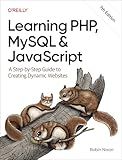
Learning PHP, MySQL & JavaScript: A Step-by-Step Guide to Creating Dynamic Websites
Laravel has consistently stood out as one of the most popular PHP frameworks due to its elegant syntax and robust features. Among these features are the Laravel API Resources, which provide a simple, yet powerful way to transform your models and collections of models into JSON. As we move into 2025, leveraging these resources can significantly simplify your API development process. This guide will walk you through the essentials of using Laravel's API Resources and give you insights on working with MySQL in your Laravel projects.
Understanding Laravel's API Resources
Before diving into the usage, it’s crucial to grasp what Laravel API Resources are. They act as a layer between your Eloquent models and the JSON responses delivered to your application's front end. This encapsulation ensures that only the necessary attributes are sent, thus optimizing performance and enhancing security by not exposing sensitive data.
Key Benefits of API Resources
- Customization: Tailor the JSON output according to your application's needs.
- Security: Expose only the necessary parts of the data model.
- Maintainability: Keep your codebase clean by separating logic and representation.
Setting Up API Resources
Let's explore the steps to create and use Laravel API Resources.
Step 1: Install Laravel
First, ensure you have the latest version of Laravel installed. You can use Composer to set up Laravel in your project:
composer create-project --prefer-dist laravel/laravel laravel-api-example
Step 2: Create an API Resource
To create an API resource, use the artisan command:
php artisan make:resource UserResource
This command generates a resource class in the app/Http/Resources directory.
Step 3: Define the Data Transformation
In your resource class, transform the model into an array that can be returned as JSON:
public function toArray($request)
{
    return [
        'id' => $this->id,
        'name' => $this->name,
        'email' => $this->email,
        'created_at' => $this->created_at->toDateTimeString(),
    ];
}
Step 4: Use the API Resource in a Controller
Finally, return the resource from your controller:
use App\Http\Resources\UserResource;

public function show($id)
{
    $user = User::findOrFail($id);
    return new UserResource($user);
}
Working with MySQL Databases
Working with databases is a critical aspect of API development. Laravel provides seamless integration with MySQL. If you are using XAMPP as your local development environment, you might find the following resources beneficial:
- Learn how to run MySQL in XAMPP Server for initial setup.
- Understanding the location of MySQL log files in XAMPP can be crucial for debugging database issues.
- Explore methods to import data from CSV files into MySQL for bulk operations.
Choosing a MySQL Book for Mastery
When diving deeper into MySQL, consider choosing a resource that aligns with your learning goals. A few points to consider:
- Beginner to Advanced: Make sure the book offers a roadmap from the basics to advanced topics.
- Practical Examples: Select a book with real-world case studies.
- Clear Explanations: Ensure complex concepts are broken down into digestible explanations.
Conclusion
Leveraging Laravel API Resources can dramatically improve the efficiency and performance of your APIs. Coupled with a solid understanding of MySQL, you can build robust, scalable applications in 2026 and beyond. Continue learning and refining your skills with the recommended resources to stay ahead in the world of web development.
This article provides a comprehensive look into using Laravel's API Resources in conjunction with MySQL. It includes structured steps and additional resources to further your understanding, all while being SEO optimized and presented in Markdown format.