
Best Tips for Hydration Pack Strap Adjustment to Buy in October 2026
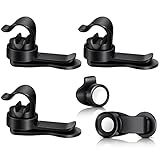
Moxweyeni 3 Pcs Bladder Clip Water Tube Hydration Hose Magnetic Clip Military Backpack Tactical Backpack Accessories Source Hydration Pack Water Bladder Holding Drinking Valve Tube in Place(Black)
- MULTIPURPOSE CLIPS PERFECT FOR OUTDOOR ACTIVITIES AND FAMILY SHARING.
- MAGNETIC DESIGN KEEPS HYDRATION TUBES SECURE AND HANDS-FREE!
- DURABLE ABS MATERIAL ENSURES LONG-LASTING USE AND RELIABILITY.


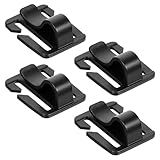
Fyntave 4 Pcs Hydration Tube Clips Black Water Bladder for Hydration Pack Bladder Drinking Tube Trap Strap Clip Pack Tubes Outdoor Backpack Clamp Hose Clip Camping and Hiking Accessories
- UNIVERSAL FIT: SECURELY HOLDS MOST HYDRATION TUBES AND BACKPACK STRAPS.
- DURABLE & WEATHER-RESISTANT: STURDY MATERIALS ENSURE LONG-LASTING USE.
- QUICK-ATTACH DESIGN: EASY TO INSTALL AND ADJUST WITHOUT TOOLS.
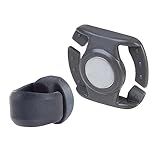
Osprey Hydraulics Hose Magnet Kit
- COMPACT DESIGN: FITS EASILY IN ANY SPACE, IDEAL FOR SMALL AREAS.
- LIGHTWEIGHT: ONLY 0.02LB, PERFECT FOR EASY PORTABILITY AND HANDLING.
- VERSATILE DIMENSIONS: PERFECT SIZE FOR VARIOUS USES AND APPLICATIONS.
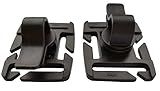
Seibertron 2Pcs X Tactical Hydration Water Bladder Drinking Tube Trap Strap Clip Holder Buckle Hose Webbing Clip Black
- VERSATILE 8-POSITION ADJUSTMENT FOR ULTIMATE USER FLEXIBILITY.
- 360° ROTATING CLIP ADAPTS TO ANY SITUATION EFFORTLESSLY.
- COMPATIBLE WITH MOLLE RIBBON FOR TACTICAL VERSATILITY.
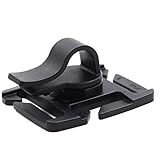
DETUCK 360°Rotatable Tube Clamp Hose Clip Fixture for Hydration Backpack(Pack of 2pcs)
- 360° ROTATION FOR CUSTOM COMFORT - ADJUST HOSE DIRECTION EASILY.
- TOOL-FREE SETUP - QUICK DISASSEMBLY FOR HASSLE-FREE HYDRATION.
- DURABLE & LIGHTWEIGHT - HIGH-QUALITY ABS FOR LONG-LASTING USE.
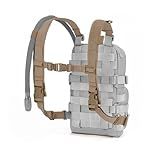
CLTAC Backpack Shoulder Straps (Brown) Tactical Small MOLLE Hydration Pack/Water Bladder Carrier Pack
- LIGHTWEIGHT, DURABLE DESIGN FOR TACTICAL OUTDOOR ADVENTURES.
- VERSATILE MOLLE SYSTEM FOR EASY ATTACHMENT TO GEAR.
- INCLUDES WATER BLADDER FOR HYDRATION ON-THE-GO.
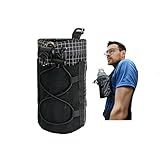
FIOTCEL Ultralight Water Bottle Holder for Backpack Straps - Fits 8-24oz Bottles | Hands-Free Hydration Pouch for Hiking, Running & Outdoor Activities (Black - 1 Pack)
-
LIGHTWEIGHT & DURABLE: WEIGHS ONLY 31G, MILITARY-GRADE STRENGTH FOR HIKERS.
-
QUICK ATTACH SYSTEM: SECURELY MOUNT IN SECONDS-PERFECT FOR ON-THE-GO.
-
VERSATILE FIT: HOLDS BOTTLES FROM 8OZ TO 24OZ-IDEAL FOR ANY ADVENTURE!
Adjusting the straps for a comfortable fit with a hydration pack is an important step to ensure that you can wear it comfortably during physical activities. The following steps can help you achieve a secure and snug fit:
- Start by putting on the hydration pack and securing the waist belt around your waist. Adjust the tension of the waist belt so that it feels secure but not too tight.
- Next, locate the shoulder straps on the hydration pack. These straps are responsible for distributing the weight of the pack evenly across your shoulders.
- Adjust the length of the shoulder straps by pulling the loose ends of the straps through the buckles. Gradually lengthen or shorten the straps until you find the desired fit.
- Ensure that the shoulder straps are balanced and sit comfortably on your shoulders. They should not dig into your skin or cause any discomfort.
- Tug on the straps lightly to remove any slack and tighten the fit. However, be mindful not to make them overly tight as it may restrict your movement and circulation.
- Once the shoulder straps are adjusted, you can fine-tune the fit by using the sternum strap. The sternum strap connects the two shoulder straps across your chest, providing additional stability.
- Adjust the sternum strap by sliding it up or down along the shoulder straps until it sits comfortably across your chest. It should not be too tight or too loose.
- Lastly, check the overall fit of the hydration pack by moving around and simulating the activity you will be engaging in. Make any necessary adjustments to the straps until you feel comfortable and supported.
Remember, a properly fitted hydration pack should stay in place during physical activity without causing any discomfort or restricting your movements. Experiment with different adjustments until you find the fit that best suits your body and activity level.
What is the ideal tightness for the shoulder straps on a hydration pack?
The ideal tightness for shoulder straps on a hydration pack varies depending on personal preference and the specific design of the pack. However, there are a few general guidelines to consider when adjusting the tightness:
- Snug but not overly tight: The shoulder straps should be tightened enough to ensure that the pack is secure and doesn't bounce around while moving, but not so tight that they restrict your shoulder movement or cause discomfort.
- Even weight distribution: The straps should be adjusted to distribute the weight of the pack evenly across both shoulders. This helps prevent strain or discomfort on any particular spot.
- Range of motion: When wearing the pack, you should be able to move your arms and shoulders freely without any restriction caused by overly tight straps. This is particularly important if you're engaging in activities that require arm movement, such as hiking or running.
- No excessive pressure points: Check for any pressure points or areas of discomfort caused by the straps. Adjust them accordingly to alleviate these issues without compromising the overall stability of the pack.
Remember that individual preferences and body shapes can vary, so it's important to adjust the shoulder straps according to your comfort and the activity you are engaged in. It may take some trial and error to find the perfect tightness, so make sure to make adjustments as necessary during your activity to optimize your comfort and performance.
How to fine-tune the strap adjustments of a hydration pack for optimal stability?
To achieve optimal stability, follow these steps to fine-tune the strap adjustments of a hydration pack:
- Start with a snug fit: Put on the hydration pack and adjust the shoulder straps so that they are snugly secured on your shoulders. This forms the foundation of stability.
- Adjust the sternum strap: Locate the sternum strap, which connects the two shoulder straps across the chest. Slide it up or down to a comfortable height and tighten it enough to keep the shoulder straps from moving laterally on your body. This helps distribute the weight evenly and prevents any bouncing or swaying while moving.
- Tweak the shoulder straps: Once the sternum strap is in place, adjust the shoulder straps further. Tighten them until the pack feels secure on your back, but not overly tight to restrict your breathing or movement. Ensure that the weight of the pack is evenly distributed across your shoulders and upper back.
- Fine-tune the waist belt: Many hydration packs have a waist belt or hip stabilizer straps. Adjust them so that they sit on your hips, slightly above your hip bones. This helps to transfer some weight from your shoulders to your hips, reducing strain. Ensure the waist belt is snug but not too tight, allowing for comfortable breathing and easy movement.
- Test for stability: With all the straps adjusted, bounce and move around to check if the pack remains stable on your body. Jog in place, jump up and down, or simulate movements you expect during your activity. The hydration pack should stay in place without excessive bouncing or shifting. Make slight adjustments if needed until you achieve optimal stability.
Remember, everyone's body shape and personal preferences differ, so it may take some trial and error to find the perfect adjustment for your hydration pack. Consistently evaluate the fit and make any necessary adjustments to maintain optimal stability throughout your activity.
What is the best way to adjust the straps on a hydration pack for trail running?
When adjusting the straps on a hydration pack for trail running, follow these steps for the best fit and comfort:
- Start by wearing the hydration pack with an empty reservoir or no water in it yet.
- Put on the shoulder straps and ensure they are centered, fitting comfortably over your shoulders.
- Adjust the sternum strap, also known as the chest strap, so it sits across your chest and connects the shoulder straps. The sternum strap helps to distribute the weight evenly and prevents side-to-side movement.
- Tighten or loosen the sternum strap until it feels secure but not constricting. It should be snug enough to keep the pack in place during your run but not too tight that it restricts your breathing.
- Adjust the shoulder straps by using the tensioning straps or buckles located near the top of the pack. These straps allow you to customize the fit depending on your body shape and size. a. If the pack feels loose or bounces during your run, tighten the shoulder straps until it feels more secure. b. If the pack feels too tight or constricting, loosen the shoulder straps a little to provide more comfort.
- Once you have adjusted the shoulder straps to your liking, ensure they are snug enough to hold the pack in place but not too tight that they dig into your shoulders.
- Lastly, adjust any additional straps or waist belt if your hydration pack has them. Some packs may have waist belts to provide extra stability and prevent bouncing. Adjust these straps to your preference, making sure they secure the pack but don't restrict your movement.
Remember, personal preference and comfort play a significant role in adjusting the straps properly. Take the time to try different adjustments on the trail until you find the fit that works best for you.