
Best Hydration Bladders for Easy Flow Adjustment to Buy in October 2026
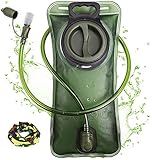
Hydration Bladder, 2L Water Bladder for Hiking Backpack, BPA-Free Leak Proof Water Reservoir Storage Bag, Hydration Pack Replacement for Camping Cycling Running, Military Green
-
EFFORTLESS CLEANING: LARGE OPENING ALLOWS EASY ACCESS FOR CLEANING AND FILLING.
-
DURABLE & TASTY: PREMIUM MATERIALS ENSURE NO BAD TASTE AND HIGH DURABILITY.
-
LEAKPROOF & PORTABLE: SECURE DESIGN PREVENTS LEAKS, PERFECT FOR OUTDOOR ADVENTURES.


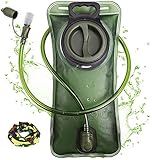
Hydration Bladder, 3L Water Bladder for Hiking Backpack, BPA-Free Leak Proof Water Reservoir Storage Bag, Water Pouch Hydration Pack Replacement for Camping Cycling Running, Military Green
- EASY TO CLEAN: WIDE OPENING FOR HASSLE-FREE FILLING & CLEANING!
- PREMIUM QUALITY: DURABLE, TASTELESS MATERIAL ENSURES SAFE HYDRATION!
- LEAKPROOF DESIGN: SECURE SEALING PREVENTS SPILLS ON YOUR ADVENTURES!
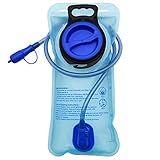
Mdvora 1.5L/2L/2.5L/3L Hydration Bladder, Large Opening Water Storage Bladder Bag, for Cycling Hiking Camping(2L,1 Pack)
- CHOOSE FROM 4 SIZES: 1.5L, 2L, 2.5L, 3L FOR EVERY ADVENTURE.
- UPGRADE LEAKPROOF DESIGN ENSURES MESS-FREE HYDRATION ON-THE-GO.
- LARGE OPENING FOR EASY FILLING, CLEANING, AND ADDING ICE CUBES.
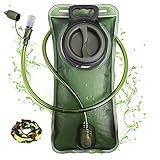
Hydration Bladder, 1.5L Water Bladder for Hiking Backpack, BPA-Free Leak Proof Water Reservoir Storage Bag, Water Pouch Hydration Pack Replacement for Camping Cycling Running, Military Green
- EASY TO CLEAN: LARGE OPENING ALLOWS FOR SIMPLE FILLING AND CLEANING.
- PREMIUM QUALITY: DURABLE, TASTELESS MATERIALS ENSURE A SAFE HYDRATION EXPERIENCE.
- LEAKPROOF & PORTABLE: RELIABLE DESIGN PERFECT FOR OUTDOOR ADVENTURES, NO BULK ADDED.
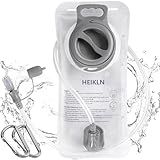
HEIKLN Hydration Bladder 2 Liter,Water Bladder for Hiking Backpack,Leak Proof Water Bladder Bag, BPA Free Military Water Storage Bladder, Hydration Pack for Bicycling Hiking Camping Hunting Running
- DURABLE, BPA-FREE BLADDER ENSURES TASTE-FREE HYDRATION ON THE GO.
- WIDE OPENING FOR EASY CLEANING AND ICE CUBE ADDITION.
- LEAK-PROOF DESIGN WITH QUICK-RELEASE TUBE FOR HASSLE-FREE USE.
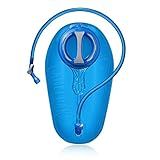
CamelBak Crux 2-Liter Water Reservoir Hydration Bladder Blue, 70oz
- IMPROVED ERGONOMIC DESIGN FOR EASY FIT IN HYDRATION BACKPACKS.
- 20% MORE WATER PER SIP KEEPS YOU HYDRATED ON OUTDOOR ADVENTURES.
- DURABLE, LEAK-PROOF MATERIALS ENSURE RELIABLE HYDRATION ON THE GO.
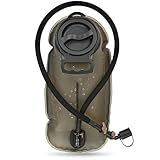
MARCHWAY 2L/2.5L/3L Tactical TPU Hydration Bladder, Ultra Durable Water Reservoir Bag with Insulated Tube for Hydration Pack for Cycling, Hiking, Running, Climbing, Biking (3L Grey 100oz)
-
DURABLE TPU DESIGN: FLEXIBLE, COLD-RESISTANT, AND PUNCTURE-PROOF.
-
INSULATED TUBE: MAINTAINS OPTIMAL WATER TEMPERATURE IN ALL WEATHER.
-
EASY FILLING & CLEANING: LARGE OPENING FOR HASSLE-FREE ACCESS.
To adjust the flow rate of water from a hydration bladder, you can follow these steps:
- Inspect the bite valve: The bite valve is the mouthpiece of the hydration bladder. Check if it has a shut-off valve or a flow adjustment feature built into it. Some bite valves have a lever or switch that can be adjusted to control the flow rate.
- Squeeze the bladder: If your hydration bladder doesn't have a flow adjustment feature on the bite valve, you can control the flow rate by regulating the pressure applied to the bladder. Gently squeeze the bladder to increase the flow rate and release pressure to decrease it.
- Use gravity to control flow: If you can't easily adjust the flow rate manually, try adjusting the positioning of the hydration bladder. Hang the bladder higher or lower to increase or decrease the gravitational force acting on the water, respectively. This technique can affect the water flow to some extent.
- Modify the bite valve: If a specific flow rate adjustment feature is not available, you can try modifying the bite valve manually. However, make sure to proceed carefully as altering the bite valve might permanently change its functionality.
Remember that the process of adjusting the flow rate may vary depending on the design and features of your hydration bladder. It is crucial to refer to the manufacturer's instructions or product manual for specific guidance related to your hydration bladder model.
What are the alternative methods to adjust the flow rate of water if the adjustment valve is not functioning?
If the adjustment valve for water flow is not functioning, there are several alternative methods to adjust the flow rate:
- Partially close the main supply valve: By slightly closing the primary water supply valve, the flow rate can be reduced. However, this should be done cautiously, as too much closing can cause pressure issues and damage to the entire plumbing system.
- Use a flow restrictor: A flow restrictor is a device that can be fitted to the faucet or showerhead to limit the water flow. These devices are generally inexpensive and easy to install, and they restrict the flow rate by reducing the diameter of the water passage.
- Install a water flow regulator: A water flow regulator is a more permanent solution, as it can be installed in the plumbing system to control the flow rate of water throughout the entire system. This method requires professional installation and adjustment.
- Utilize a pressure regulator: If the issue is primarily high water pressure, a pressure regulator can be installed to reduce the pressure and, consequently, control the flow rate. A professional plumber should handle the installation of a pressure regulator.
- Use flow control attachments: Some appliances, such as washing machines or dishwashers, have built-in flow control devices that allow you to adjust the water flow without relying on the adjustment valve. Check the user manual of the specific appliance for any adjustment options.
It is always recommended to consult a professional plumber if the adjustment valve is not functioning properly to ensure the appropriate solution is implemented.
What is the impact of adjusting the flow rate on overall hydration levels during physical exercise?
Adjusting the flow rate during physical exercise can have a significant impact on overall hydration levels. By manipulating the rate at which fluids are consumed, individuals can better manage their hydration status and optimize performance.
Increasing the flow rate, or consuming fluids at a faster pace, can help increase hydration levels more rapidly. This is particularly beneficial during intense or prolonged exercise sessions when fluid loss through sweat is high. Adequate hydration is crucial for maintaining blood volume and preventing dehydration, which can negatively affect physical performance and lead to symptoms like fatigue, dizziness, and muscle cramps.
On the other hand, adjusting the flow rate to a slower pace may be beneficial for some individuals during low to moderate-intensity exercise. Slow and steady fluid intake can help prevent overhydration, also known as hyponatremia, which occurs when fluid intake exceeds fluid loss. This condition can be dangerous as it dilutes the body's electrolyte balance, leading to potentially severe consequences like nausea, confusion, seizures, and even coma.
It is important to note that the ideal flow rate for hydration during exercise can vary depending on various factors, including individual sweat rates, climate conditions, and exercise intensity. Listening to the body's thirst cues and monitoring urine color are good indicators of hydration needs. Additionally, following personalized hydration strategies and considering guidance from healthcare professionals or sports nutritionists can help individuals determine the most appropriate flow rate for their specific exercise routine.
How to adjust the flow rate of water from a hydration bladder?
To adjust the flow rate of water from a hydration bladder, you can follow these steps:
- Locate the bite valve on the hydration bladder hose, which is the part you bite on to start or stop the flow of water.
- Determine if your bite valve has a flow valve or switch. Some hydration bladders come with a built-in flow valve that allows you to control the flow rate.
- If your bite valve has a flow valve, it may be a lever or a twist valve. For a lever valve, you can move the lever up or down to increase or decrease the flow rate. If it's a twist valve, you can rotate it clockwise or counterclockwise to adjust the flow rate.
- Test the flow rate by sipping on the bite valve. If the flow is too slow, adjust the valve to increase it. If the flow is too fast, adjust the valve to decrease it.
- If your bite valve does not have a flow valve, you can try squeezing the hydration bladder to control the flow rate. Gently squeezing the bladder can increase the flow, while releasing the pressure can decrease it.
- It may take a few tries to find the right balance and adjust the flow rate to your preference. Experiment with different settings until you achieve the desired flow rate.
Remember to practice adjusting the flow rate before using the hydration bladder during physical activities to ensure you can control the water flow easily when needed.
What are the potential risks of adjusting the flow rate too frequently in a hydration bladder?
Adjusting the flow rate too frequently in a hydration bladder can pose several potential risks, including:
- Leakage: Frequent adjustments can increase the likelihood of accidental opening or loosening of the flow valve, leading to leakage. This can result in water spills and wet belongings, causing inconvenience and discomfort.
- Contamination: Constantly adjusting the flow rate may increase the chances of introducing bacteria or other contaminants into the hydration bladder. Each adjustment involves contact with the nozzle or the flow valve, potentially transferring dirt or germs from hands or the environment to the drinking tube.
- Difficulty in maintaining hydration: Frequent adjustments may disrupt the drinking routine and make it harder to maintain a consistent and regular hydration pattern. It might be challenging to find the optimal flow rate for comfort and efficiency if adjustments are made too frequently.
- Distraction: Constantly adjusting the flow rate requires attention and potentially distracts the user from other essential activities, especially during physical exercises or critical tasks. This distraction may affect performance or increase the risk of accidents or injuries.
- Wear and tear: Frequent manipulation of the flow valve may lead to increased wear and tear, reducing the overall lifespan of the hydration bladder. The constant opening and closing of the valve can potentially cause it to malfunction or develop leaks over time.
It is generally recommended to find a suitable flow rate that balances comfort and hydration needs and adjusts it minimally to mitigate these risks.
How do I find the flow rate adjustment valve on my hydration bladder?
To find the flow rate adjustment valve on your hydration bladder, you can follow these steps:
- Locate the drinking tube: The flow rate adjustment valve is typically located on the drinking tube of your hydration bladder. Trace the tube from the bladder to find where it is attached.
- Look for a valve: On the drinking tube, you will find a small valve or mechanism that allows you to adjust the flow rate. It is usually situated near the mouthpiece or bite valve.
- Check for markings or symbols: The valve might have markings or symbols indicating how to adjust the flow rate. It can be a plus (+) and minus (-) sign, or an open/close icon, depending on the design of your bladder.
- Test the valve: Once you have located the valve, you can manipulate it to adjust the flow rate. Turn the valve clockwise to decrease the flow or counterclockwise to increase it. Try taking a sip to see how the adjustment affects the water flow.
Note: The exact location and design of the valve may vary depending on the brand and model of your hydration bladder. If you're having trouble finding it, consult the instruction manual or contact the manufacturer for specific guidance.