
Best Pool Pumps for Above-Ground Pools to Buy in September 2026
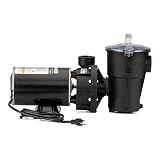
Hayward PowerFlo LX Above Ground Pool Pump, 1.1 HP, W3SP1580X15
-
RELIABLE PERFORMANCE: UPDATED HP DELIVERS SAME FLOW & PRESSURE EFFICIENCY.
-
QUIET OPERATION: HEAVY-DUTY MOTOR ENSURES LOW NOISE FOR PEACEFUL POOLS.
-
EASY MAINTENANCE: EXTRA-LARGE BASKET & DRAIN PLUG SIMPLIFY UPKEEP TASKS.


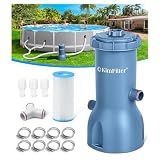
KimFilter Pro Series 1000 GPH Above Ground Pool Filter Pump, Powerful Pool Cartridge Filter Pump, Water Circulation and Filtration System -Improved Water Clean & Clarity, Pools Pumps Above Ground-Gray
- ENHANCED WATER CLARITY WITH 1,000 GPH HYDROAERATION FILTRATION.
- ETL-CERTIFIED SAFETY FEATURES ENSURE SECURE SWIMMING FOR ALL AGES.
- EASY SETUP & LOW MAINTENANCE FOR MORE SWIM TIME, LESS HASSLE!
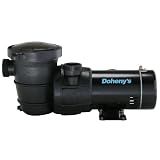
Doheny's 1.5 HP Above Ground Swimming Pool Pump | 115V, 83 GPM (1.2 THP) | Stainless Steel Shaft, Reinforced Thermoplastic, Low-Noise, High-Efficiency | 1.5" Internal & 2.5" External Threading
- UNBEATABLE VALUE: RELIABLE PUMPS AT A LOWER COST THAN MAJOR BRANDS.
- BUILT TO LAST: DURABLE STAINLESS STEEL AND THERMOPLASTIC CONSTRUCTION.
- WHISPER-QUIET EFFICIENCY: LOW NOISE AND HIGH PERFORMANCE, MEETING INDUSTRY STANDARDS.
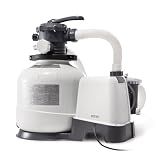
INTEX 2,800 GPH Krystal Clear Sand Filter Pump for Above Ground Pools, Swimming Pool Pump with Automatic Timer - Improved Circulation, Filtration, & Clarity
-
EXCELLENT FILTRATION WITH 6-FUNCTION VALVE FOR SUPERIOR WATER QUALITY.
-
HASSLE-FREE 24-HOUR TIMER FOR AUTOMATIC SCHEDULING AND OPERATION.
-
LOW MAINTENANCE SAND PUMP LASTS UP TO 5 YEARS WITH MINIMAL CARE.
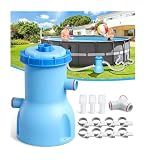
BluClear Standard Series Above Ground Pool Filter Pump - 800 GPH Flow Rate | Rapid Circulation & Micro-Debris Filtration, Pool Cartridge Filter Pump System - Keep Water Crystal Clean & Clear-Deep Blue
-
EFFORTLESS MAINTENANCE: ENJOY CLEAR WATER WITHOUT COMPLICATED UPKEEP!
-
SAFETY ASSURANCE: GFCI PROTECTION GUARANTEES WORRY-FREE SWIMMING MOMENTS.
-
DURABLE DESIGN: CORROSION-RESISTANT MATERIALS ENSURE LONG-LASTING PERFORMANCE.
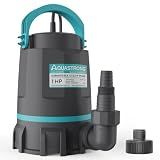
Aquastrong Sump Pump 1 HP 4500 GPH Submersible Water Pump Thermoplastic Portable Utility Pump High Flow Water Removal for Swimming Pool Garden Pond Basement Window Wells with 10ft Long Power Cord
-
PUMP 4500 GPH WITH 1HP MOTOR; LIFTS WATER 30FT EASILY!
-
PORTABLE & EASY SETUP; DRAINS WATER DOWN TO JUST 1/5 INCH!
-
DURABLE DESIGN WITH THERMAL OVERLOAD PROTECTION FOR LONGEVITY!
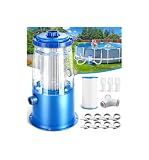
KimFilter Transparent 1000 GPH Above Ground Pool Filter Pump – Easy Cartridge Status Viewing | Powerful Pool Cartridge Filter Pump System | Enhanced Circulation & Filtration for Crystal-Clear Water
- VISIBLE FILTRATION: TRANSPARENT CASING ENSURES HASSLE-FREE MAINTENANCE.
- POWERFUL PERFORMANCE: FILTERS 1,000 GALLONS/HOUR, KEEPS POOL CRYSTAL CLEAR.
- SAFETY FIRST: ETL CERTIFIED WITH BUILT-IN GFCI FOR FAMILY PROTECTION.
Choosing the right pump for your above-ground pool is essential for maintaining clean water and proper circulation. Here are some factors to consider when making this decision:
- Pool Size: Consider the size of your pool, as it determines the required flow rate and horsepower for the pump. A larger pool may need a more powerful pump to ensure effective filtration and circulation.
- Flow Rate: The flow rate of the pump is measured in gallons per minute (GPM) or gallons per hour (GPH). You should select a pump with a flow rate that matches or slightly exceeds the recommended turnover rate for your pool size. The turnover rate is the amount of time required to circulate all the pool water through the filter.
- Horsepower: The horsepower rating of the pump determines its ability to move water efficiently. A pump with higher horsepower can handle larger pool volumes and overcome resistance caused by long plumbing runs or additional pool features like waterfalls or fountains.
- Energy Efficiency: Opt for a pump with an Energy Star certification or one that is labeled as energy-efficient. Energy-efficient pumps can significantly reduce your electricity costs while effectively operating your pool.
- Noise Level: Check the noise rating of the pump. Quieter pumps are desirable, especially if your pool is near living areas or you prefer a peaceful pool environment.
- Pool Filter Compatibility: Ensure that the pump you choose is compatible with your pool filter. Different filters have varying flow rates, which must align with the pump's capacity for optimal performance.
- Durability: Look for pumps made from durable materials to withstand the outdoor elements and chemicals used in pool maintenance. Stainless steel, thermoplastic, or corrosion-resistant materials are commonly used in high-quality pool pumps.
- Warranty: Choose a pump that comes with a warranty to protect your investment. Read the warranty terms and conditions to understand what kind of coverage it offers and for how long.
- Professional Advice: If you are unsure about selecting the right pump, it is recommended to consult with a pool professional or a knowledgeable salesperson who can guide you based on your specific pool requirements.
Remember, a properly sized and efficient pump is crucial for maintaining water cleanliness, proper circulation, and overall swimming pool health.
How do I prevent air leakage in the pump's suction line for my above-ground pool?
To prevent air leakage in the pump's suction line for your above-ground pool, you can follow these steps:
- Check the suction line connections: Inspect all the fittings and connections in the suction line, including the pump inlet, skimmer, and any valves. Ensure that they are tight and properly sealed. If you notice any loose or damaged connections, tighten or replace them accordingly.
- Use Teflon tape or sealant: To create a watertight seal, wrap Teflon tape around the threaded fittings before assembling them. Alternatively, you can use a suitable sealant to prevent any air leaks. Apply the sealant to the threaded sections and tighten the fittings securely.
- Inspect and clean the strainer basket: The strainer basket inside the pump may have debris or clogs that can cause air leaks. Regularly check and clean the strainer basket to ensure it is free from any blockages. This will help maintain good suction without any air leaks.
- Examine the pool skimmer: The skimmer is responsible for collecting debris from the pool surface and sending it to the pump. If the skimmer is faulty or not installed correctly, it may introduce air into the pump's suction line. Inspect the skimmer, ensuring it is properly attached to the suction line, and there are no cracks or damage. Replace any damaged parts and ensure its lid is tightly secured.
- Check the pool water level: Insufficient water in the pool can create a vacuum and introduce air into the suction line. Make sure the water level is well above the skimmer opening to prevent air from being drawn in through the skimmer.
- Inspect the pump lid and O-ring: The pump lid and its associated O-ring should form a tight seal to prevent air leaks. Clean the lid and O-ring, ensuring they are free from debris and dirt. Apply a lubricant specifically designed for pool pump O-rings to improve the seal. Tighten the pump lid securely but avoid overtightening, as this may cause damage.
- Check the suction line for cracks or leaks: Inspect the entire length of the suction line for any cracks, leaks, or damaged sections. Replace any damaged parts promptly, ensuring the new components are correctly connected and sealed.
By following these steps, you should be able to prevent air leakage in the suction line of your above-ground pool's pump and maintain optimal performance.
How do I ensure proper installation of a pump in my above-ground pool?
To ensure the proper installation of a pump in your above-ground pool, follow these steps:
- Choose the right pump: Before purchasing a pump, determine the required flow rate for your pool size. Measure the volume of your pool in gallons and select a pump with a flow rate that can circulate all the water within 8-10 hours.
- Gather the necessary tools and equipment: You will need a screwdriver, pliers, PVC glue, Teflon tape, pipe cutter, and the pump and filtration system.
- Placement: Select an appropriate location for the pump near the pool. Ensure it is positioned on a flat, level surface with sufficient ventilation and away from direct sunlight or weather exposure.
- Prepare the pipes: Measure and cut the PVC pipes to the required sizes, always adding 1-2 inches for fittings. Smooth the pipe ends using emery paper or a file to remove burrs.
- Connect the suction side: Connect a PVC union to the suction side inlet of the pump. Use Teflon tape on the threads for a watertight seal. Install a strainer basket to collect debris, followed by a check valve or gate valve to prevent backflow when the pump is turned off.
- Connect the discharge side: On the outlet side of the pump, attach a PVC union using Teflon tape. Connect the pipe to the union, ensuring a proper fit. Install a gate valve if necessary.
- Electrical connections: Carefully follow the manufacturer's instructions and consult an electrician if needed to connect the pump to a GFCI protected outlet. Ensure all electrical connections are waterproof and secure.
- Prime the pump: Fill the pump pot with water until it is overflowing, ensuring the pump is fully primed. This will help improve pumping efficiency and protect the pump motor.
- Test the system: Turn on the pump and observe if there are any leaks or abnormal noises. Monitor the pressure gauge and filter pressure to identify any potential issues.
- Regular maintenance: Follow a regular maintenance schedule, including cleaning the strainer basket, checking and replacing filters, and monitoring the pump performance. This ensures optimal efficiency and prolongs the life of the pump.
Remember, if you're unsure about any step, consult the pump's manufacturer manual or seek professional help to ensure the proper installation of the pump in your above-ground pool.
How do I choose the right pump for my above-ground pool?
Choosing the right pump for your above-ground pool involves considering a few key factors:
- Pool Size: Determine the capacity of your pool in gallons. This information helps determine the required flow rate (GPM) of the pump. Generally, a pump should circulate the entire pool water volume in 6 to 8 hours.
- Pump Size: Consider the size of the pump based on the flow rate calculated above. The pump's horsepower (HP) rating affects its ability to circulate water efficiently.
- Filtration System: Choose a pump that is compatible with your pool's filtration system. The pump should be capable of handling the pool's filter size, whether sand, cartridge, or DE filter.
- Energy Efficiency: Look for pumps that are Energy Star certified or labeled as energy-efficient. Energy-efficient pumps can save you money on electricity bills in the long run.
- Noise Level: Consider the noise level of the pump if it will be near living spaces. Some pumps are designed to operate quieter than others.
- Brand and Quality: Research reputable brands and read customer reviews to ensure the pump's durability and reliability.
- Warranty and Support: Check the warranty provided by the manufacturer and the availability of customer support in case of any issues with the pump.
- Budget: Determine your budget range and look for a pump that fits your requirements within that range. Remember to consider long-term costs, such as electricity usage and maintenance.
Consulting with a pool professional or retailer can also provide valuable advice and guidance in selecting the right pump for your specific above-ground pool.