Best Above-Ground Pool Solutions for Sloped Yards to Buy in October 2026
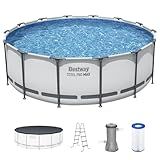
Bestway Steel Pro MAX 14' x 48" Above Ground Pool, Round Metal Frame Outdoor Swimming Pool Set with Filter Pump, Ladder, and Cover, Gray
- EASY SETUP IN MINUTES: NO TOOLS NEEDED, SET UP & TAKE DOWN EFFORTLESSLY!
- DURABLE & LONG-LASTING: CORROSION-RESISTANT FRAME ENSURES YEARS OF USE.
- FAMILY FUN & RELAXATION: HOLDS 4,024 GALLONS FOR UNFORGETTABLE SUMMER MEMORIES!


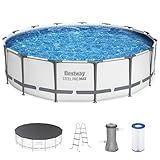
Bestway Steel Pro MAX 15" x 42" Round Above Ground Swimming Pool Set Outdooor Metal Frame Family Pool with Filter Pump, Ladder, and Cover
-
UNMATCHED DURABILITY: STEEL FRAME RESISTS CORROSION FOR LONG-LASTING USE.
-
EFFORTLESS SETUP: TOOL-FREE ASSEMBLY WITH QUICK-CONNECT JOINTS FOR CONVENIENCE.
-
COMPLETE PACKAGE: INCLUDES PUMP, LADDER, AND COVER FOR INSTANT FAMILY FUN.
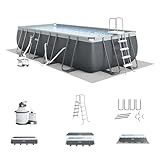
Intex 18' x 9' x 52" Ultra XTR Rectangular Frame Swimming Pool Set with Pump - Above Ground Backyard Large Rectangle Pool with 45-Inch Deep Water
-
DURABLE DESIGN: GALVANIZED STEEL FRAME AND LOCKING SYSTEM ENHANCE STABILITY.
-
QUICK ASSEMBLY: SET UP IN JUST 60 MINUTES WITH AN EASY LOCK SYSTEM!
-
RUST & DAMAGE RESISTANT: 3-PLY PVC AND POWDER COATING ENSURE LONGEVITY.
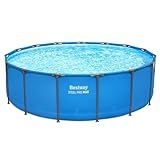
Bestway Steel Pro MAX 15’ x 48" Round Metal Steel Frame Above Ground Outdoor Backyard Swimming Pool for Families, Pool ONLY
-
EFFORTLESS SETUP: NO TOOLS NEEDED FOR QUICK SETUP AND TAKEDOWN!
-
DURABLE DESIGN: CORROSION-RESISTANT STEEL FRAME ENSURES LONG-LASTING USE.
-
FAMILY FUN: CREATE UNFORGETTABLE SUMMER MEMORIES WITH A GIANT POOL!
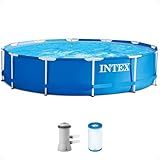
INTEX 28211EH Metal Frame Above Ground Swimming Pool Set: 12ft x 30in – Includes 530 GPH Cartridge Filter Pump – Puncture-Resistant Material – Rust Resistant – 1718 Gallon Capacity
- QUICK SETUP: ENJOY YOUR POOL IN JUST 30 MINUTES, HASSLE-FREE!
- ENHANCED HYGIENE: DUAL OUTLETS PROMOTE SUPERIOR WATER CLARITY & HYGIENE.
- DURABLE & REPAIRABLE: TOUGH 3-PLY PVC WITH INCLUDED PATCH FOR EASY FIXES.
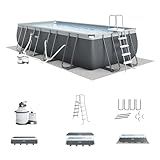
INTEX 26363EH Ultra XTR Deluxe Rectangular Above Ground Swimming Pool Set: 24ft x 12ft x 52in – Includes 2100 GPH Sand Filter Pump – Easy Assembly
- ULTRA DURABILITY: GALVANIZED STEEL FRAME & LOCKING SYSTEM ENSURE STABILITY.
- QUICK SETUP: READY FOR WATER IN JUST 60 MINUTES WITH EASY LOCK SYSTEM.
- ULTIMATE WEATHER RESISTANCE: RUST-PROOF DESIGN WITH PUNCTURE-RESISTANT MATERIAL.
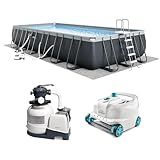
INTEX 26363EH Ultra XTR 24ft x 12ft x 52in Above Ground Swimming Pool Set with Sand Filter Pump and Deluxe Automatic Vacuum Cleaner
- DURABLE DESIGN: HIGH-QUALITY GALVANIZED STEEL FOR LASTING STABILITY.
- EASY CLEANING: CONNECTS TO VACUUM FOR EFFORTLESS POOL MAINTENANCE.
- QUICK SETUP: SNAP-TOGETHER ASSEMBLY WITH RUST-RESISTANT MATERIALS.
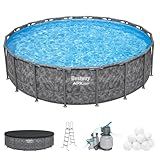
Bestway APX 365 18' x 52" Round Above Ground Swimming Pool Outdoor Backyard Framed Pool Set with Sand Filter Pump, Ladder, and Cover, Dark Marble
- SPACIOUS FAMILY FUN: 18FT POOL HOLDS 6,869 GALLONS FOR ENDLESS ENJOYMENT.
- DURABLE CONSTRUCTION: GALVANIZED STEEL FRAME WITH CLICKCONNECT FOR STABILITY.
- WEATHER-READY DESIGN: YEAR-ROUND USE WITH EASY SETUP AND TAKEDOWN.
Yes, you can install an above-ground pool on a slope. However, there are a few factors to consider before doing so.
Firstly, it's important to ensure that the slope is not too steep. A gentle slope would be more suitable for installing an above-ground pool. If the slope is too steep, it may be necessary to level the area before installation.
When choosing a location for the pool, consider the direction of the slope. It is recommended to install the pool so that the highest side is against the slope. This will help maintain stability and prevent any potential issues.
It's also essential to prepare the ground properly. Clear any rocks, debris, or vegetation from the area. If necessary, use retaining walls or fill dirt to level the ground and prevent soil erosion.
To maintain stability, you may need to build a sturdy foundation for the pool. This can be achieved by leveling the ground with sand or using a concrete pad.
Lastly, ensure that proper drainage is in place to prevent rainwater from accumulating around the pool.
By considering these factors and taking the necessary precautions, you can successfully install an above-ground pool on a slope. However, it's advisable to consult with a professional or pool specialist for guidance specific to your situation.
What is the maximum slope angle suitable for installing an above-ground pool?
The maximum slope angle suitable for installing an above-ground pool generally ranges from 1% to 2%. This means that for every horizontal foot, the ground should slope no more than 1 to 2 inches vertically. It is important to keep the slope relatively minimal to ensure the pool remains level and stable. Additionally, following the specific guidelines provided by the manufacturer is crucial as they may have their own recommendations for slope angles.
What is the ideal size for an above-ground pool on a slope?
There is no one-size-fits-all answer to this question as the ideal size for an above-ground pool on a slope will depend on various factors such as the steepness of the slope, available space, local regulations, personal preferences, and budget.
However, when dealing with a slope, it is generally recommended to consider the following guidelines:
- Slope gradient: The steeper the slope, the smaller the pool size should ideally be. A gentle slope may accommodate a larger pool, while a steep slope may require a smaller pool or even terracing to level the ground.
- Available space: Consider the dimensions of the available space on the slope where you plan to install the pool. Measure the length, width, and depth of the area to determine the maximum pool size that can be accommodated.
- Accessibility and safety: Ensure that there is enough space for access and safety features such as walkways, steps, and fencing around the pool area.
- Local regulations: Check local building codes and regulations to determine any specific requirements or restrictions for pools on slopes. Some jurisdictions may have rules regarding setback distances, drainage, or structural considerations.
- Budget: Consider the cost implications of a larger pool, including excavation, leveling, retaining walls, and other potential engineering requirements. Smaller pools may be more cost-effective to install and maintain.
It is advisable to consult with a professional pool installer or contractor who can assess the specific slope and provide expert advice on the optimal size, design, and installation approach for an above-ground pool on your particular slope.
How to ensure proper drainage around an above-ground pool on a slope?
Ensuring proper drainage around an above-ground pool on a slope is crucial to prevent water from accumulating around the pool, which can cause erosion and potential damage. Here are some steps to help ensure proper drainage:
- Evaluate the slope: First, assess the slope of the ground where you plan to install the above-ground pool. If the slope is minimal, with a gradual incline, drainage may not be a significant concern. However, if the slope is steeper, additional measures should be taken.
- Level the ground: Prepare the ground for the pool by leveling it as much as possible. Remove any rocks, debris, or vegetation that might interfere with the stability and drainage of the pool. Use a shovel or a grading rake to create a flat surface for the pool.
- Build a retaining wall: If the slope is steep, consider building a retaining wall on the lower side of the pool. A retaining wall will help contain the soil and prevent erosion. It should be constructed using a sturdy material such as concrete blocks or interlocking retaining wall blocks.
- French drain system: Install a French drain around the perimeter of the pool. A French drain is a trench filled with gravel or rock and a perforated pipe that redirects water away from the pool area. This drainage system helps collect and remove excess water. The drain should be positioned at the lowest point around the pool, allowing water to flow into it.
- Proper grading: Ensure that the grading of the ground around the pool slopes away from the pool area. This prevents water from pooling near the pool's base and directs it away from the pool. Use a level or a laser level to ensure the proper angle of the slope.
- Add landscaping features: Incorporate landscaping features like rock beds, swales, or decorative gravel around the pool area. These features can help divert water and prevent runoff towards the pool. It is important to ensure that they don't impede the flow of water towards the drainage system.
- Regular maintenance: Keep an eye on the drain and inspect it regularly to make sure it is not clogged with debris. Additionally, ensure that the grading remains intact and hasn't shifted, as this could affect the drainage.
By implementing these steps, you can help ensure proper drainage around your above-ground pool on a slope, reducing the risk of water accumulation and potential damage.
How can I prevent erosion under an above-ground pool on a slope?
Preventing erosion under an above-ground pool on a slope requires careful planning and implementation of several steps to ensure the stability and longevity of the pool. Here are some measures you can take:
- Level the ground: Make sure the ground is properly leveled before installing the above-ground pool. Remove any excess soil or grass, and use a tamper or roller to compact the ground.
- Install a retaining wall: Build a retaining wall around the pool area to prevent soil erosion. This can be made of concrete blocks, landscape timbers, or stones. Ensure the retaining wall is level and sturdy to hold back the soil effectively.
- Use a ground cover: Place a geotextile fabric or pool pad underneath the pool to act as a barrier between the pool liner and the ground. This will prevent any sharp objects or rocks from damaging the pool liner and reduce the risk of erosion.
- Install a drainage system: Create a French drain or a similar drainage system to divert water away from the pool area. This will help prevent water buildup and reduce the chances of erosion. Consult with a professional if needed for proper drainage system design and installation.
- Landscape with erosion-resistant plants: Consider planting erosion-resistant vegetation around the pool area to help stabilize the soil. Native grasses, ground covers, and low-maintenance plants with deep root systems can be effective in preventing erosion.
- Monitor water flow: Ensure that gutters and downspouts from nearby structures are directed away from the pool area. Redirecting water flow will prevent excessive water accumulation and erosion.
- Regular maintenance: Regularly inspect the pool area and surrounding landscape for any signs of erosion or soil movement. Promptly address any issues to prevent further damage.
Remember to consult with professionals, such as landscapers or engineers, if you are uncertain about the specific requirements for your site or need assistance with implementing erosion prevention measures.