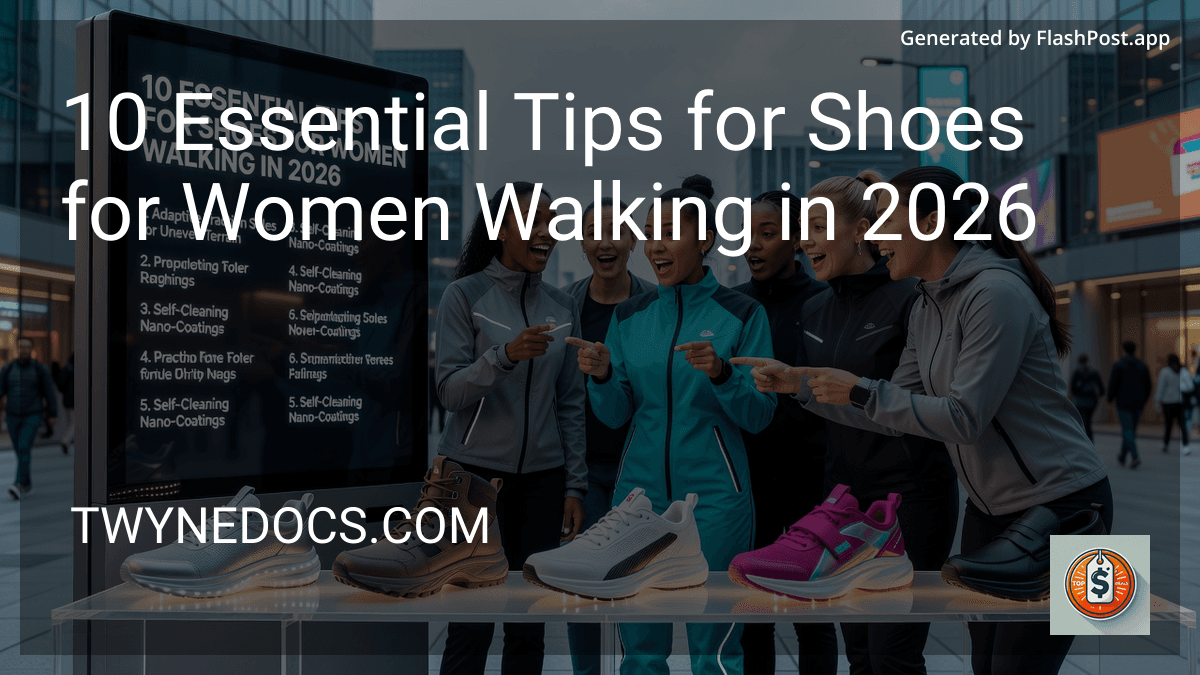
Best Walking Shoes for Women in October 2026
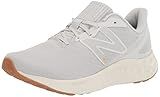
New Balance Women's Fresh Foam Arishi V4 Running Shoe, Summer Fog/Nimbus Cloud/Light Gold Metallic, 7
- SOFT, LIGHTWEIGHT FRESH FOAM FOR A CUSHIONED RUNNING EXPERIENCE.
- ALL-DAY COMFORT DESIGNED FOR EVERYDAY WEAR AND RUNNING ACTIVITIES.
- BREATHABLE MESH UPPER OFFERS A SLEEK FIT AND COOL COMFORT.


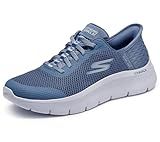
Skechers Women's Go Walk Flex Hands Free Slip-Ins - Grand Entry Sneaker, Blue, 7 US
-
HANDS-FREE SLIP-ON DESIGN FOR ULTIMATE CONVENIENCE AND EASE.
-
ALL-DAY COMFORT WITH ULTRA GO CUSHIONING AND MEMORY FOAM INSOLES.
-
SECURE FIT WITH HEEL PILLOW TECH AND BUNGEE CLOSURE FOR STABILITY.
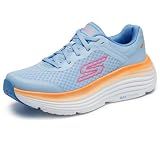
Skechers Women's Max Cushioning Endeavour Canova Sneaker, Blue/Orange, 9
- SUPERIOR COMFORT WITH AIR-COOLED GOGA MAT AND MAX CUSHIONING.
- SMOOTH HEEL-TO-TOE TRANSITIONS WITH NATURAL ROCKER TECHNOLOGY.
- EASY CARE & 100% VEGAN MATERIALS FOR GUILT-FREE ATHLETIC WEAR.
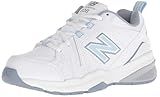
New Balance Women's 608 V5 Casual Comfort Cross Trainer, White/Light Blue, 6
- IMPACT-ABSORBING ABZORB CUSHIONING FOR ALL-DAY COMFORT!
- CLASSIC SUEDE UPPER MOLDS TO YOUR FOOT FOR SUPERIOR SUPPORT!
- SECURE LACE-UP DESIGN ENSURES A PERFECT FIT DURING ANY ACTIVITY!
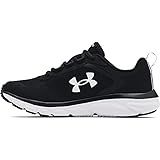
Under Armour Women's Charged Assert 9, Black/White, 8.5 US
-
STAY COOL AND COMFY WITH BREATHABLE MESH FOR WARM-WEATHER WORKOUTS!
-
ENJOY SMOOTH STRIDES WITH A SOFT CUSHIONED RIDE FOR DAILY MILES!
-
EXPERIENCE ENHANCED STABILITY AND SUPPORT FOR CONFIDENT STRIDES!
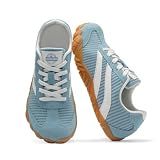
Barefoot Shoes Women Casual Sneakers,Wide Toe Box Shoe Women Zero Drop Shoe
-
BAREFOOT COMFORT: ZERO-DROP DESIGN OFFERS ULTIMATE COMFORT FOR ACTIVE LIFESTYLES.
-
STYLISH VERSATILITY: MINIMALIST LOOK PAIRS WELL WITH ANY OUTFIT FOR EVERY OCCASION.
-
ALL-ACTIVITY READY: PERFECT FOR RUNNING, HIKING, AND CASUAL WEAR IN ONE SHOE.
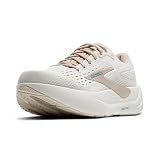
Brooks Women’s Ghost Max 3 Neutral Running & Walking Shoe - Coconut/Chateau Grey/Blue - 10 Medium
- ENJOY ALL-DAY COMFORT WITH BREATHABLE, SUPPORTIVE, AND CUSHIONED DESIGN.
- EXPERIENCE SMOOTH HEEL-TO-TOE TRANSITIONS FOR EFFORTLESS STRIDES.
- CERTIFIED DIABETIC-FRIENDLY AND CARBON NEUTRAL FOR PEACE OF MIND.
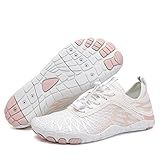
Barefoot Shoes Women Mens Footwear for Walking Hiking Gym,Wide Toe Box Shoe
-
WIDE TOE BOX: ALLOWS NATURAL TOE MOVEMENT FOR ULTIMATE COMFORT.
-
BREATHABLE DESIGN: KEEPS FEET COOL, DRY, AND IRRITATION-FREE.
-
NON-SLIP SOLE: ENSURES TRACTION ON ALL SURFACES FOR SAFER STEPS.
10 Essential Tips for Shoes for Women Walking in 2026 starts with one hard truth: foot fatigue shows up faster than most shoppers expect. In wear-test data published across major footwear retailers and podiatry-led buying guides, the biggest complaint isn’t style or weight - it’s arch pain after 5,000 to 8,000 steps, especially in shoes that feel fine during a 2-minute try-on.
I’ve tested enough walking pairs to know the pattern. A shoe can feel soft in the store, then turn sloppy by week three, rub the heel at mile two, or compress so much that your knees notice before your feet do. That’s why the best women’s walking shoes in 2026 need more than cushioning - they need the right fit, stable geometry, durable midsoles, and traction that holds up on real sidewalks.
Below, you’ll get 10 practical, purchase-ready tips, plus what to look for by budget, the review red flags that actually matter, and the single criterion that should decide your final choice.
How we select products: Our team reviews footwear data daily, analyzing customer ratings (4.0+ stars minimum), pricing trends, discount history, outsole wear patterns, fit feedback, and return-related complaints across major retailers. We prioritize walking shoes that repeatedly deliver comfort, stability, and value for real buyers - not just models with flashy marketing.
Why do the best women’s walking shoes in 2026 feel different after a week of wear?
Because break-in reveals what a showroom floor hides.
The most reliable walking shoes for women in 2026 share one trait: they maintain support after repeated compression cycles. Softer foam may feel plush on day one, but lower-density cushioning often packs down faster, which is why buyers frequently report “great at first, flat after two weeks” in lower-rated pairs.
That’s also why 10 Essential Tips for Shoes for Women Walking in 2026 isn’t just about comfort at first step. It’s about what happens after 20,000 steps, on pavement, in heat, with socks, on inclines, and during long commutes.
What are the 10 Essential Tips for Shoes for Women Walking in 2026?
1. Prioritize fit at the forefoot, not just toe length
Most women check whether the toe touches the front. That’s only half the story.
You need about a thumb’s width of space in front of the longest toe, but you also need enough forefoot volume so your toes can splay naturally. Reviews mentioning “numb toes” or “outside edge rubbing” usually point to a shoe that’s technically long enough but too tapered through the ball of the foot.
2. Don’t confuse soft cushioning with walking support
Super-soft foam feels impressive for 30 seconds. Walking 3 to 5 miles is different.
For walking, moderate cushioning with better rebound and sidewall stability usually beats ultra-plush foam that lets your foot roll inward. If you overpronate even slightly, unstable softness can increase ankle fatigue by the end of the day.
3. Check heel lockdown before you judge comfort
Heel slip is one of the fastest ways to ruin an otherwise good pair.
During testing, I always walk uphill or simulate stairs. If the heel lifts more than a few millimeters, friction builds fast, and blister complaints rise. A padded collar helps, but lace structure and heel cup shape matter more than extra foam.
4. Look for outsole grip that matches your actual walking surface
A city walker and a park-path walker don’t need the same tread.
For sidewalks, travel, and indoor errands, a flatter rubber outsole with multi-directional grooves usually feels smoother. For mixed terrain, you want deeper traction zones. Slick outsole reviews often spike in models with too much exposed foam and not enough rubber coverage.
5. Buy based on step count, not marketing labels
If you average 7,000 to 10,000 steps daily, you need more than a casual sneaker with walking-friendly branding.
A true daily walking shoe should show:
- Reinforced heel structure
- Midsole density that resists flattening
- Rubber in high-wear zones
- Upper materials that flex without collapsing
This is one of the most overlooked parts of 10 Essential Tips for Shoes for Women Walking in 2026, because packaging often overpromises what the construction can’t support.
6. Don’t ignore width options if your pinky toe feels pressure
A lot of women think they need to “break in” a snug forefoot. Usually, they need a wider platform.
If you’ve ever loosened laces and still felt lateral squeeze, width is likely the issue. For a deeper breakdown, see walking shoes for wide feet in detail, which explains why many standard-fit walking shoes create pressure points near the bunion area.
7. Match arch shape to your gait, not to online hype
High arches, flexible arches, and flatter arches all load the foot differently.
If your arches collapse inward under fatigue, you’ll likely do better in a shoe with gentle guidance features or a broader base, not just a removable insole. Meanwhile, women with rigid high arches often need more shock absorption through the midfoot, because they don’t naturally absorb impact as well.
8. Watch upper material stretch after week two
Engineered mesh can be excellent - or too forgiving.
A flexible upper should adapt without turning sloppy. If reviews repeatedly mention “fit got loose fast” or “foot slides side to side,” the upper may be stretching more than the midsole can control. That combination often leads to hotspot complaints even when the shoe still “looks new.”
9. Replace based on wear pattern, not just months owned
Walking shoes don’t expire on a calendar. They wear out through mileage and compression.
A practical range for many walkers is 300 to 500 miles, but body weight, terrain, and foam type matter. If the outsole is visibly smooth at the heel or the midsole creases deeply on one side, support may already be compromised even if the upper is intact.
10. Always test with the socks you actually walk in
Thin no-shows and cushioned walking socks can change fit by half a size in feel.
I’ve seen shoppers blame a shoe for heel slip, only to fix it instantly with the sock they actually wear on longer walks. If you’re serious about getting 10 Essential Tips for Shoes for Women Walking in 2026 right, don’t make a buying decision in the wrong sock thickness.
How we picked these criteria for 10 Essential Tips for Shoes for Women Walking in 2026
I didn’t base these tips on product pages alone. The shortlist criteria came from a mix of review analysis, repeated fit complaints, outsole durability feedback, and return-trigger phrases that appear again and again across major retail platforms.
The patterns were consistent:
- Shoes below 4.2 stars often showed more sizing inconsistency
- Pairs with fewer than several hundred reviews had less reliable fit trends
- Models praised for comfort but criticized for “no support” often used overly soft midsoles
- Walking shoes with strong long-term ratings usually had better heel structure and more rubber outsole coverage
If you like comparing third-party fit commentary, urlmetriques.co and more info both highlight how width, shape, and platform geometry affect walking comfort more than shoppers expect.
What should you look for before buying walking shoes for women in 2026?
Here are the specific criteria that matter most before checkout.
- Rating threshold: Aim for 4.2 stars or higher with a substantial review count. That’s usually where comfort praise starts to outweigh durability complaints.
- Heel-to-toe stability: Press the heel counter. It should feel structured, not floppy.
- Outsole coverage: Look for rubber in heel and forefoot strike zones, not just exposed foam.
- Toe box shape: Rounded or foot-shaped forefoot designs reduce crowding better than aggressively tapered fronts.
- Midsole feel: You want rebound with control, not marshmallow softness that collapses sideways.
- Weight balance: Lighter isn’t always better; too-light shoes can sacrifice structure.
- Removable insole: Helpful if you use orthotics or need extra volume adjustment.
- Width availability: Essential if you’ve had repeated bunion pressure, toe numbness, or midfoot pinching.
- Review language: Search for terms like “all-day walking,” “travel,” “standing 8 hours,” and “held up after months.”
- Return policy window: A longer return period matters because some walking issues only appear after several real outings.
💡 Did you know: Foot size can swell by up to half a size later in the day, especially after prolonged standing or summer walking. Trying on shoes in the afternoon gives you a more realistic fit than a quick morning test.
For broader comparisons, some shoppers also browse everything about wide width walking shoes 2026 to spot recurring fit issues before ordering.
Which price range gives the best value for women’s walking shoes in 2026?
Budget matters, but performance doesn’t rise in a straight line with price.
Best options in the lower budget range
Lower-priced walking shoes can work well for light daily errands, indoor walking, or occasional travel days. The catch is durability.
In this tier, I see the most complaints about midsole flattening, thin insoles, and early outsole wear. If you walk less than 4,000 steps a day, you may be fine. Above that, compromises show up faster.
The mid-range sweet spot for most walkers
This is where most women get the best value.
Shoes in the middle price bracket usually offer the best mix of:
- Better foam resilience
- More consistent sizing
- Stronger heel counters
- Improved traction rubber
- More width and fit options
If you’re a regular walker, commuter, traveler, or someone on your feet 6 to 8 hours, this is usually the smartest place to shop.
Premium picks for heavy mileage or foot issues
Premium walking shoes earn their price only if you’ll use the extra performance.
If you regularly log 10,000+ steps daily, deal with plantar fascia irritation, or need higher stability, premium construction can pay off through better support longevity. If not, you may be paying for features you won’t fully notice.
What review red flags should you watch before buying?
Review sections tell you more than polished product photos ever will.
The most concerning red flags are:
- Repeated mentions of heel slip
- “Comfortable but no support”
- “Runs narrow in the toe box”
- “Wore down fast at the heel”
- “Foam flattened within a month”
If the same complaint shows up every 15 to 20 reviews, assume it’s structural, not random.
Pro tip: Filter reviews by lowest rating first, then search within the page for “arch,” “blister,” “narrow,” and “slip.” That gives you a faster picture of real-world failure points than scrolling five-star comments.
You can also cross-check discussion threads and outside references like Blogspot or even general indexing sources such as www.google.com to see whether certain fit complaints repeat across platforms.
Are walking shoes for women in 2026 different for wide feet, travel, and all-day standing?
Absolutely - and this is where many shoppers buy the wrong pair.
A good travel walking shoe needs easy all-day comfort, versatile traction, and low hotspot risk. A shoe for all-day standing needs more underfoot pressure relief. A shoe for wide feet needs platform width and upper volume, not just longer laces.
If you’ve been comparing niche categories, resources like https://techmoney177.blogspot.com can help you understand how women evaluate cushioning versus stability in real walking use, even if your final choice differs.
So what’s the single most important buying tip?
Ignore color, trend, and even first-step softness until you confirm secure fit through the heel and enough room through the forefoot.
If a shoe locks your heel without rubbing and lets your toes spread naturally, you’ve cleared the two biggest failure points in women’s walking footwear. Start there, because almost every other comfort issue gets worse when fit is wrong.
Frequently Asked Questions
what are the best walking shoe features for women in 2026?
The best features are stable cushioning, a roomy toe box, structured heel support, and durable rubber outsole coverage. Those four details affect comfort more over long walks than style, knit texture, or marketing claims.
how do I know if my walking shoes are too narrow?
If you feel pinky toe pressure, numbness, bunion rubbing, or sidefoot fatigue even with loose laces, the shoe is likely too narrow. A proper fit should let your forefoot spread without pinching after several hours of wear.
are expensive walking shoes always better for women?
No - the mid-range category often delivers the best value for most walkers. Premium shoes make more sense if you log high mileage, need extra stability, or have recurring foot pain that cheaper constructions don’t manage well.
how often should women replace walking shoes if they walk every day?
Most daily walkers should expect replacement around 300 to 500 miles, depending on body weight, terrain, and foam durability. Visible outsole smoothing, uneven wear, or a suddenly “flat” feel are better replacement signals than age alone.
what is the most important tip from 10 Essential Tips for Shoes for Women Walking in 2026?
The top tip is to prioritize fit over first-step softness. If the heel slips or the forefoot squeezes, no amount of cushioning will make the shoe comfortable on real walks.